
Understanding Petanque: Origins and Growth
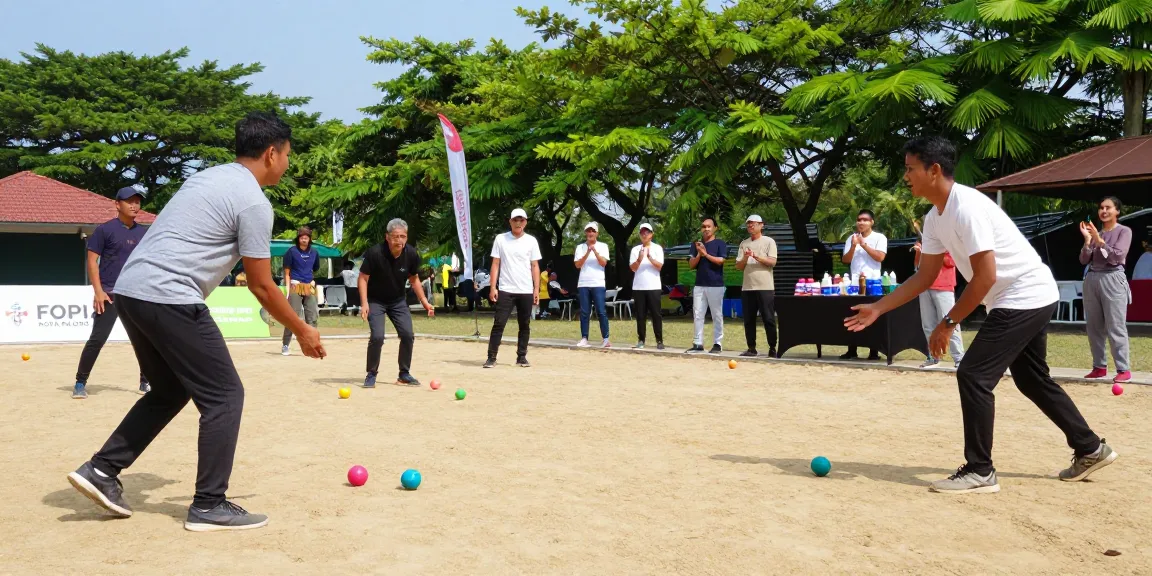
Petanque, a sport with French roots, has steadily gained traction worldwide, and its journey in Indonesia forms a fascinating narrative. In Kota Palopo, the game is organized under the auspices of FOPI Kota Palopo, which plays a pivotal role in promoting and developing petanque within the region. As the official body responsible for coordinating all petanque activities, FOPI Kota Palopo has cemented its status as a central figure in fostering local sports culture. For more insights on their initiatives, you can visit fopikotapalopo.org.
History of Petanque in Indonesia
The introduction of petanque in Indonesia remains somewhat mysterious, with no exact timeline or comprehensive studies documenting its arrival. It is generally believed that the sport was brought in by French expatriates who established petanque facilities in areas such as Jakarta, Bali, and Lombok. These establishments often accompanied hotels managed by French nationals, which provided the necessary infrastructure for the sport's initial play. Notable hotels like the Novotel in Kuta and Horizon Ancol served as early venues where enthusiasts could gather and play.
Impact of FOPI Kota Palopo on Local Sports
Founded in 2011, FOPI Kota Palopo was established following Indonesia's participation in the SEA Games, which marked a significant turning point for the sport in the country. The organization has actively sought to scout talents for the SEA Games and promote the sport at the grassroots level, making petanque accessible to a broader audience beyond expatriates. As a result, petanque is gradually gaining popularity among local residents, with burgeoning interest from schools and community centers.
Petanque's Evolution and Popularity
Over the years, petanque's visibility in Indonesia has increased, leading to a more structured approach to the sport’s governance and development. FOPI Kota Palopo has been instrumental in organizing events and competitions, promoting the sport as a viable recreational and competitive activity. The federation not only focuses on adult participation but also emphasizes youth engagement, seeing clear potential in involving younger generations in the sport.
Getting Started with Petanque
For those looking to embark on their petanque journey, understanding the basics is vital. Petanque is a straightforward game that can be enjoyed by individuals of all ages, making it an ideal choice for family outings and community gatherings. Whether playing casually in a park or participating in organized events through local clubs, new players can quickly learn to appreciate the nuances and strategies of the game.
Essential Equipment for Beginners
To begin playing petanque, you will need some essential equipment. The primary items include:
- Petanque Boules: These are metal balls used to play the game. Beginners can find affordable sets that are suitable for learning.
- Cochonnet: Also known as the jack, this smaller ball is thrown first to determine the target area.
- Measuring Tape: Essential for determining the closest boule to the cochonnet during scoring.
Rules of the Game
Understanding the rules is crucial for gameplay. Petanque can be played in singles, doubles, or triples, with the objective being to place your boules closer to the cochonnet than your opponent's boules. Here are the basic rules:
- Players take turns to throw their boules at the cochonnet, aiming for proximity.
- Once all boules have been thrown, players count which side has the closest boule.
- The team or player with the closest boule scores points, and play continues until a designated score is reached.
Finding Local Petanque Clubs
Engaging with local clubs is an excellent way to improve your skills and meet fellow enthusiasts. Organizations such as FOPI Kota Palopo often list affiliated clubs and provide contact information, making it easier to find a community to join.
Advanced Techniques in Petanque
As players become more proficient, refining their techniques becomes essential for competitive play. The strategies and skills developed can significantly enhance performance in tournaments and casual games alike.
Throwing Techniques: Precision and Strategy
Mastering throwing techniques involves practicing various styles, such as:
- Shooting: Aimed at knocking an opponent's boule away from the cochonnet.
- Pointing: Targeting a close placement near the cochonnet.
Players should focus on their follow-through to ensure precision and accuracy with each throw.
Understanding Court Dynamics
Different playing surfaces can affect gameplay. Players should familiarize themselves with the conditions of the courts they play on, noting factors like:
- Surface Type: Gravel courts may require different strategies compared to sandy surfaces.
- Weather Conditions: Wind can greatly impact boule trajectory and strategy.
Analyzing Opponents’ Strategies
Part of competitive play involves observing and deciphering opponents’ strategies. Understanding their play style allows you to counter effectively, whether through shooting or pointing techniques.
Building a Community through Petanque
Beyond the game itself, petanque serves as a means of social engagement and community building. Encouraging local participation fosters a sense of belonging and sportsmanship among players.
Organizing Local Tournaments
Hosting tournaments can draw participants from various backgrounds. FOPI Kota Palopo plays a key role in this aspect by organizing events that cater to novice players and seasoned competitors alike, facilitating integration and camaraderie.
Networking with Other Players
Building relationships with fellow players enhances the overall experience of the sport. Players can exchange tips, tricks, and strategies, promoting a collaborative environment within the petanque community.
Utilizing Social Media for Engagement
Social media platforms are powerful tools for promoting events and enhancing community engagement. Organizations like FOPI Kota Palopo can leverage these platforms to reach a broader audience, share achievements, and keep players informed about upcoming activities.
The Future of Petanque in Indonesia
As we look towards the future, petanque is poised for significant growth and diversification in Indonesia, particularly through strategic initiatives and youth involvement.
Trends and Predictions for 2026
With increasing interest and structured events, petanque is expected to continue its upward trajectory. Predictions suggest an expanding base of players and heightened competition at both local and national levels.
Potential Growth in Youth Involvement
Youth programs aimed at schools and local communities are essential for fostering new talent. Engaging younger players through organized workshops and school collaborations can cultivate a lasting appreciation for the sport.
Leveraging Technology in Training and Scoring
As technology advances, the use of apps for training, scoring, and strategy analysis will likely become more prevalent. These tools can provide players with immediate feedback, allowing them to refine their techniques and improve performance.
What is the best way to learn petanque?
The best way to learn petanque is through consistent practice and engagement with a community. Joining local clubs offers the opportunity to play with experienced players, receive mentorship, and gain insight into the game’s intricacies.
How can I improve my petanque skills?
Improving petanque skills involves practicing various throwing techniques and understanding game strategies. Regular participation in club activities and friendly matches can also enhance overall performance.
What are the benefits of joining FOPI Kota Palopo?
Joining FOPI Kota Palopo provides access to structured training, local competitions, and a supportive community of fellow petanque enthusiasts. Members can also benefit from networking opportunities and participation in larger federated events.
Are there local petanque competitions in 2026?
Indeed, as petanque continues to grow, local competitions will expand, offering ample opportunities for players to engage in friendly rivalry and showcase their skills.
What equipment do I need to start playing petanque?
To start playing petanque, you’ll need basic equipment like boules, a cochonnet, and ideally a measuring tape for scoring. Beginners can often find starter kits available at sports retailers.