
 Blog
Blog
Effective Shoulder Brace for Weightlifting: 2025 Essential Guide
Understanding Shoulder Braces for Weightlifting
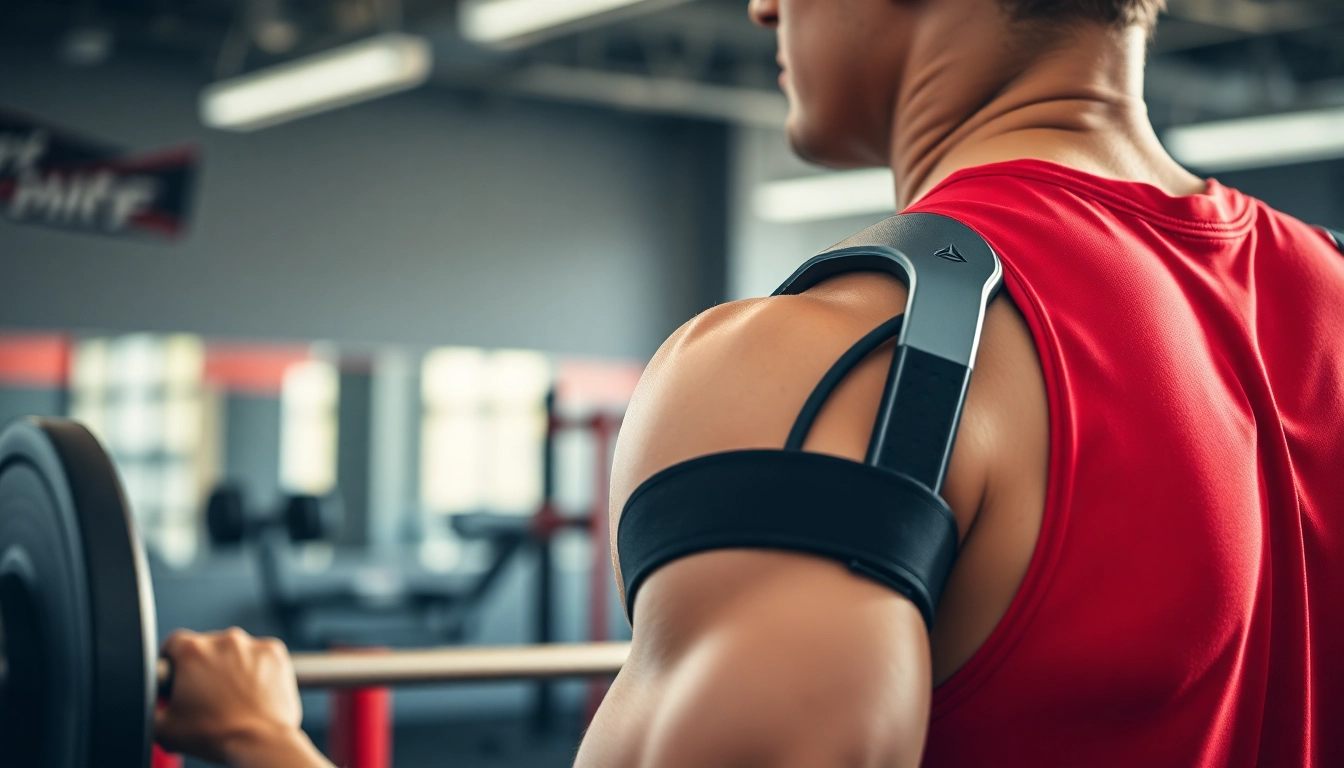
For weightlifters, optimizing performance and ensuring safety are paramount considerations. Shoulder braces play a critical role in this equation, providing support, stability, and pain relief during workouts. As athletes push their limits, the risk of shoulder injuries rises, making it essential to understand the value of effective shoulder braces. In this guide, we will delve into the mechanics of shoulder braces for weightlifting, their various types, and the benefits they offer to both amateur and professional lifters alike.
What is a Shoulder Brace and Its Importance?
A shoulder brace is a support device designed to stabilize and protect the shoulder joint during physical activities. These braces are particularly important for athletes engaged in sports with repetitive arm movements, such as weightlifting, where the shoulders are subjected to significant strain. By providing compression and support, these devices help maintain proper alignment, reduce the risk of injuries, and can even aid in recovery from existing shoulder issues.
Key Features of Effective Shoulder Braces
- Adjustability: A good shoulder brace should offer adjustable straps to ensure a snug fit for all body types.
- Breathability: Materials that wick moisture away from the skin can enhance comfort during intense workouts.
- Stability: Braces should provide sufficient support without restricting range of motion, allowing for full functional movement.
- Lightweight Design: The brace should be lightweight and comfortable to wear for extended periods.
How Shoulder Braces Support Athletic Performance
Shoulder braces not only shield athletes from injuries but also enhance their overall performance. By ensuring proper biomechanics, braces help lifters maintain correct posture during heavy lifts, thereby maximizing strength output while minimizing strain. This support translates to increased confidence under heavy loads — a critical factor for achieving personal bests in weightlifting.
Types of Shoulder Braces for Weightlifting
Compression vs. Supportive Braces
Two main categories of shoulder braces exist: compression and supportive. Compression braces offer a snug fit that increases blood circulation and reduces swelling. These are ideal for those recovering from minor injuries or for injury prevention during workouts. Supportive braces, on the other hand, provide more structured support to the shoulder joint and are typically used during rehabilitation or for chronic conditions.
Choosing the Right Brace for Your Needs
When selecting a shoulder brace, it is essential to consider several factors, including the type of weightlifting you engage in, any pre-existing injuries, and your comfort preferences. Consult with a healthcare provider or a sports therapist for tailored advice. Brands like Fivali Fitness offer a range of options, from double shoulder compression sleeves to immobilizers, ensuring that there’s a suitable choice for every athlete.
Common Brands and Their Offerings
In the market, numerous brands specialize in shoulder braces. Some noteworthy mentions include:
- Fivali Fitness: Known for their breathable compression sleeves and versatile designs.
- Anaconda Fight Wear: Offers premium braces that mold to the shoulder for enhanced stabilization.
- Bauerfeind: Their OmoTrain brace allows full range of motion while providing support.
- Shock Doctor: Renowned for their Ultra Shoulder Support, which combines stability with comfort.
Benefits of Using a Shoulder Brace
Enhancing Performance and Stability
Using a shoulder brace can significantly enhance an athlete’s performance. By providing extra support, these braces help maintain shoulder stability, reduce fatigue, and enable lifters to focus on their technique. Many athletes report improved lifting capacity when using a brace, as they feel more secure during their sets.
Reducing Injury Risk During Workouts
Injuries can sideline even the most dedicated athletes, making injury prevention a priority. Shoulder braces act as an additional safeguard against sprains, strains, and other common shoulder injuries caused by excessive weightlifting or improper form. By stabilizing the joint, they enable athletes to push their limits while minimizing the risk of setbacks.
Improving Recovery from Existing Injuries
For those recovering from shoulder injuries, braces can facilitate a smoother rehabilitation process. By providing necessary support, they allow athletes to gradually return to their training routines without exacerbating their conditions. Moreover, the compression they offer helps in reducing swelling and discomfort associated with healing tissues.
How to Properly Use a Shoulder Brace
Fitting Your Shoulder Brace Correctly
A proper fit is crucial for any shoulder brace to function effectively. Follow the manufacturer’s guidelines for sizing, which typically involve measuring around the upper arm or chest. Ensure that the brace is snug but not overly tight, as this can restrict blood flow and worsen discomfort.
Incorporating Braces into Your Weightlifting Routine
Integrating a shoulder brace into your weightlifting regimen can be seamless. It’s advisable to wear the brace during all lifting exercises that strain the shoulder, particularly during heavy sets or when performing exercises like bench presses, overhead presses, and rows. However, it’s equally important to allow your skin to breathe by removing the brace post-workout.
Common Mistakes to Avoid When Using a Brace
Many users make the mistake of relying solely on their brace without addressing underlying issues. It’s essential to combine brace use with proper technique and strength training to ensure the best outcomes. Additionally, avoid wearing the brace too loosely, as this can diminish its effectiveness.
Future Trends in Shoulder Support Gear for Weightlifting
Innovations in Material and Design
As technology evolves, so does the manufacturing of shoulder braces. Future innovations may include advanced materials that offer better support and comfort, such as moisture-wicking fabrics and breathable mesh. These developments aim to improve the wearability of braces, making them more comfortable for athletes during prolonged use.
Impact of Technology on Performance Gear
Digital technology is also expected to shape the future of shoulder support gear. Smart braces equipped with sensors may provide real-time feedback on shoulder movement, helping athletes correct their form and reduce injury risk. This integration of technology could revolutionize how athletes train and rehabilitate.
Expert Predictions for 2025 and Beyond
Experts predict that by 2025, shoulder braces will become increasingly customizable, tailored to individual preferences and specific athletic needs. With ongoing research into biomechanics and injury prevention, the future of shoulder support gear is bright, promising enhanced performance and recovery outcomes for weightlifters worldwide.