 Computers Electronics and Technology
Essential Smartphone Gimbal Guide 2025: Capture Perfect Videos
Understanding Smartphone Gimbals
In the dynamic world of mobile filmmaking and vlogging, the use of smartphone gimbals has become integral for capturing smooth, high-quality videos. These devices elevate the standard of mobile content creation by minimizing shaky footage, enabling filmmakers and social media enthusiasts to tell their stories with clarity and professionalism. With the increasing popularity of mobile devices for video production, understanding the mechanics and benefits of smartphone gimbals is essential for anyone looking to enhance their video quality. When exploring options, スマホジンバル provides comprehensive insights into their functionality and advantages.
What is a Smartphone Gimbal?
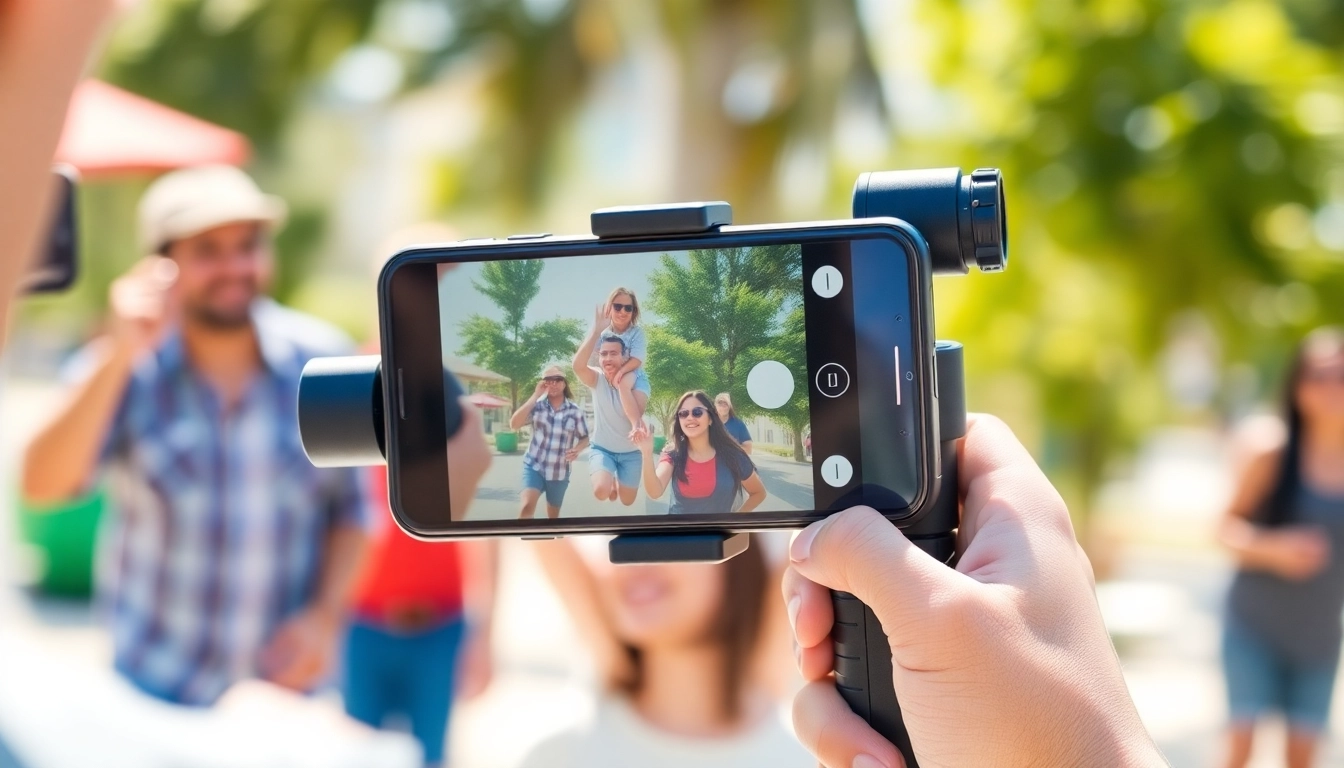
A smartphone gimbal is a mechanical device that uses motors and sensors to stabilize a smartphone’s camera while filming. Unlike traditional handheld stabilizers, gimbals actively counteract unwanted movements such as shakes, tilts, and rolls, ensuring a smooth filming experience. These tools are essential for capturing high-quality footage, especially in dynamic environments where movement is unavoidable.
How Smartphone Gimbals Work
The technology behind smartphone gimbals involves a combination of gyroscopic sensors and brushless motors. These components work in unison: the sensors detect motion and orientation changes, while the motors adjust the gimbal’s position to maintain a level horizon. Most modern gimbals feature three axes of stabilization—pitch, roll, and yaw—providing comprehensive support for various filming scenarios.
Benefits of Using a Smartphone Gimbal
Using a smartphone gimbal offers several advantages for content creators:
- Smooth Footage: Gimbals effectively eliminate shaky footage, enhancing the overall quality of videos.
- Enhanced Control: Filmmakers have greater control over the direction and angle of their shots, leading to more creative possibilities.
- Portability: Many gimbals are lightweight and compact, allowing for easy transport and use in various environments.
- Tracking Features: Several models come with advanced features like subject tracking, which allows the gimbal to automatically follow a moving subject.
Choosing the Right Smartphone Gimbal
With numerous options available, selecting the right smartphone gimbal can be challenging. Identifying the features that matter most to your creative needs is crucial. Here are key points to consider:
Top Features to Look For in Smartphone Gimbals
When choosing a gimbal, consider the following features:
- Axis Stabilization: Look for gimbals with three-axis stabilization for the best performance in dynamic shooting conditions.
- Battery Life: Ensure the gimbal has a long battery life to accommodate extended shooting sessions.
- Payload Capacity: Check the gimbal’s weight capacity to ensure it can handle your smartphone securely.
- Smartphone Compatibility: Verify that the gimbal is compatible with your specific smartphone model.
- Additional Features: Features like remote control, follow modes, and time-lapse capabilities can enhance your filming experience.
Smartphone Gimbal Comparisons: DJI vs. Insta360
Two leading brands in the smartphone gimbal market are DJI and Insta360. Both companies offer a range of models that cater to different needs.
- DJI: Known for its Osmo series, DJI gimbals are renowned for their build quality, ease of use, and advanced features such as active tracking and gesture control.
- Insta360: The Insta360 gimbals, particularly the Flow series, provide innovative features ideal for vloggers, such as 360-degree shooting and AI-powered tracking.
Budget-Friendly Options for Beginners
If you’re new to smartphone gimbals, there are several budget-friendly models that still deliver great performance. Brands like Hohem and Zhiyun offer affordable options without compromising on essential features. Ensure to check reviews and user feedback to find the best model that fits your budget and needs.
Best Practices for Using Smartphone Gimbals
To get the most out of your smartphone gimbal, it’s essential to understand best practices for operation. Proper usage not only enhances video quality but also extends the lifespan of your equipment.
Techniques for Smooth Video Capture
Practicing specific techniques can greatly improve your video stability. Some effective methods include:
- Walking Smoothly: Maintain a steady pace when moving with the gimbal. Use a wide stance and bend your knees to absorb shocks.
- Using the Gimbal’s Modes: Familiarize yourself with your gimbal’s operational modes—such as pan follow or lock mode—to adapt to different filming scenarios.
- Posture and Grip: Hold the gimbal at waist level for more stability, and adjust your grip for comfort and control.
Common Mistakes and How to Avoid Them
Even with the best equipment, mistakes can happen. Avoid these common pitfalls:
- Neglecting Balance: Always ensure your smartphone is balanced on the gimbal before use to prevent instability.
- Ignoring Settings: Familiarize yourself with the gimbal settings—using preset modes can help you achieve better results.
- Not Practicing: Take time to practice using your gimbal to become comfortable with its features and controls.
Enhancing Video Quality with Smartphone Gimbals
Smartphone gimbals not only stabilize footage but also enhance overall video quality. To further improve your content, consider these tips:
- Lighting: Good lighting is crucial for high-quality video. Use natural light when possible, or invest in portable LED lights.
- Sound Quality: Equip your smartphone with external microphones to capture clearer audio, especially in noisy environments.
- Post-production: Utilize editing software to polish your videos, adding effects and correcting colors as needed.
Real-World Applications of Smartphone Gimbals
Smartphone gimbals have transformed the landscape of content creation. Their applications extend beyond casual vlogging to professional filmmaking, marketing, and beyond.
Filmmaking and Vlogging Success Stories
Many successful filmmakers have turned to smartphone gimbals to achieve cinematic results on a budget. High-profile vlogs have also made use of gimbals to increase viewer engagement through visually appealing content. For example, notable YouTube channels have leveraged gimbals to create action-packed travel vlogs, demonstrating how accessible quality filmmaking can be.
Using Smartphone Gimbals for Social Media Content
Content creators on platforms like Instagram and TikTok use gimbals to elevate their videos. By producing smoother, visually captivating content, they attract more followers and increase their chances of going viral. Gimbals facilitate creative shots that set users apart in crowded feeds.
Case Studies on Effective Gimbal Use
Several brands have successfully utilized smartphone gimbals in their marketing strategies. A coffee shop might create an engaging video showcasing its brewing process, while a travel company could produce a stunning visual journey through various destinations, all captured with smooth footage thanks to the use of gimbals.
The Future of Smartphone Gimbals
As technology evolves, so does the functionality of smartphone gimbals. The future looks promising, with innovations that could change how we capture video.
Emerging Trends for 2025 and Beyond
Anticipated trends include:
- Enhanced AI Features: Future gimbals may integrate more artificial intelligence for smarter tracking and scene recognition.
- Integration with Augmented Reality: As AR becomes more prevalent, gimbals may be developed to assist in AR-based filming, enabling creators to blend real-world and digital content seamlessly.
- Better Ergonomics: Upcoming designs are expected to focus more on user experience, ensuring that gimbals are as comfortable as they are functional.
Innovations in Gimbal Technology
Next-generation gimbals are likely to include features such as wireless control through smartphone applications or even cloud connectivity for real-time editing and sharing. This could revolutionize how content is produced and disseminated online.
Predictions for Smartphone Filmmaking
As smartphone technology continues to improve, filmmakers can expect even higher quality outputs. Increased camera capabilities, improved stabilization technology, and real-time editing applications will drive a new wave of mobile content creation that prioritizes both quality and creativity.