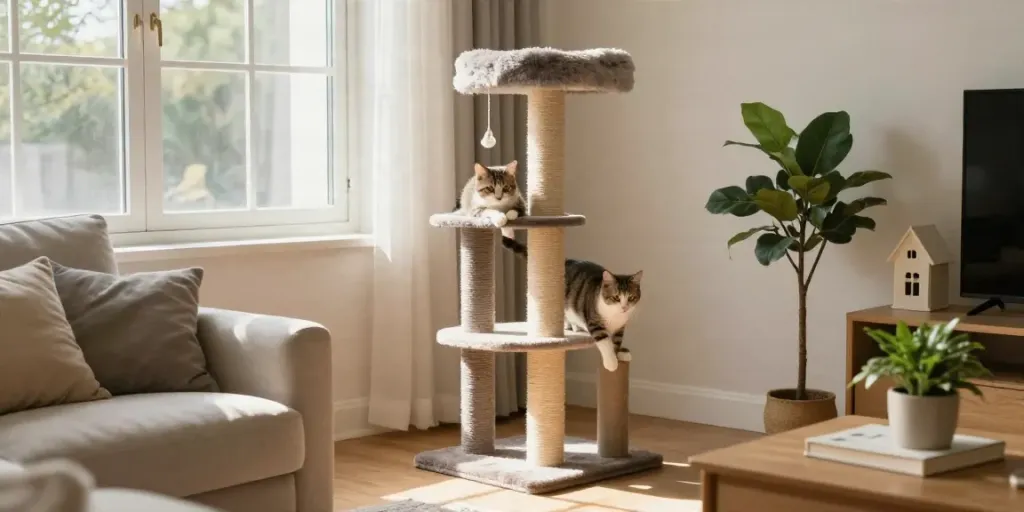
Understanding the Importance of a Quality Cat Tower
Every cat owner knows that our feline friends require stimulation and a safe environment where they can express their natural behaviors. A high-quality cat tower serves not only as a playground but also as a sanctuary for your cat, meeting their need for climbing, scratching, and resting. As you explore the world of options available, cat tower selections provide a comprehensive insight into various models tailored to suit every cat's personality and needs.
Why Every Cat Needs a Cat Tower
Cat towers are more than just a piece of furniture; they are an essential part of a cat's ecosystem. These structures help fulfill their instinctual need to climb and observe their surroundings from a height. By providing a designated space where cats can scratch, exercise, and relax, owners can prevent destructive behaviors and promote a healthy lifestyle. A well-designed cat tower also becomes a safe refuge where anxious or timid cats can retreat, helping to reduce stress and anxiety.
The Role of Cat Towers in Feline Behavior
Understanding feline behavior is crucial for any cat owner. Cat towers play a significant role in enriching a cat's environment. They encourage physical exercise, which is vital for maintaining a healthy weight and preventing obesity. Furthermore, multi-level structures satisfy a cat's territorial instincts, offering different vantage points to survey their domain.
Studies have shown that cats with access to climbing structures display less aggression and become more sociable, even among other pets. The different levels of a cat tower allow cats to establish their hierarchy within a multi-cat household, enhancing their social dynamics.
Key Features to Look for in a Cat Tower
When selecting a cat tower, several key features should be considered to ensure it meets your pet's needs:
- Stability: A sturdy base is essential, especially for larger cats. Ensure the structure can support your cat's weight without tipping over.
- Material: Look for durable materials that can withstand scratching and climbing. Solid wood and high-quality faux fur are excellent choices.
- Height: Choose a height that corresponds with your cat's climbing ability. Larger breeds typically require taller towers.
- Multi-functional Design: Features like scratching posts, hiding spots, and platforms cater to various feline behaviors, providing both fun and comfort.
- Ease of Cleaning: Opt for designs that can be easily disassembled or cleaned without much hassle, as cleanliness is crucial for a cat's health.
Common Mistakes When Choosing a Cat Tower
While selecting a cat tower may seem straightforward, there are common pitfalls that cat owners often encounter. Recognizing these mistakes can lead to a better choice for both you and your furry friend.
Overlooking Size and Space Requirements
One of the most frequent errors is failing to consider the size of the tower in relation to the space available in your home. A tower that is too large can overwhelm a small room, while a small tower might not provide adequate play space for larger breeds. Measure your available area and consider how the tower will fit into your home’s layout.
Ignoring Material Durability and Safety
Another common mistake is selecting a tower made from inferior materials. Towers constructed with flimsy or toxic materials can pose health risks to your cat. Invest in a cat tower that uses safe, non-toxic materials and offers longevity through durable construction.
Focusing Solely on Aesthetics
While it’s natural to want to choose a cat tower that complements your home decor, prioritizing aesthetics over functionality can lead to disappointment. A beautiful tower that doesn’t meet your cat’s needs or is unstable will be of no use. Always prioritize your pet’s well-being and preferences over visual appeal.
Best Practices for Maintaining Your Cat Tower
Proper maintenance of your cat tower is essential for its longevity and your cat’s health. Regular care can prevent wear and tear, ensuring it remains a safe place for your pet.
Regular Cleaning and Care Guidelines
To maintain hygiene, it’s important to clean your cat tower regularly. Vacuum the surfaces to remove hair and debris. Spot clean stains with pet-safe cleaners and ensure to wash removable covers according to the manufacturer's instructions. Regular maintenance not only keeps the tower looking good but also helps prevent the build-up of allergens and parasites.
Understanding Wear and Tear Signs
Identifying signs of wear and tear early can save you from future expenses. Look for frayed or torn fabrics, loose components, or unstable platforms. When you notice these signs, consider repairing them promptly to avoid accidents.
Upgrading Instead of Replacing: When and How
Every cat tower has a lifespan, but that doesn’t always mean it needs to be replaced entirely. Sometimes, simple upgrades such as replacing scratching posts or adding new toys can breathe new life into an old tower. When the structural integrity is compromised, however, it’s time to invest in a new model.
Real-Life Case Studies of Cat Tower Usage
Examining real-life scenarios provides insight into the practical benefits of cat towers. Here are a few examples that showcase their impact on cat behavior and well-being.
Successful Integration in Multi-Cat Households
In a multi-cat household, introducing a new cat tower can significantly alter the dynamics. For instance, a family with three cats noticed improved harmony after adding a multi-level cat tower. The tower allowed each cat to establish its territory, reducing disputes over space and resources.
Transformative Effects on Cat Behavior and Health
Another case involved a cat that displayed signs of anxiety and destructive behavior. By incorporating a large cat tower with numerous play areas, the owner reported a drastic improvement in the cat's behavior. The added climbing and scratching opportunities helped alleviate stress, promoting healthier habits.
Expert Insights from Veterinarians and Trainers
Veterinarians emphasize the importance of interactive play and vertical space for cats. They suggest that towers stimulate physical exercise and mental engagement, which are vital for a well-rounded lifestyle. Trainers also advocate for cat towers as they provide safe environments for cats to explore, reducing anxiety and increasing confidence.
Future Trends in Cat Tower Design and Functionality
The future of cat towers looks promising, with advancements in design and functionality that cater to both feline needs and pet owner aesthetics.
Sustainable Materials and Eco-Friendly Options
As more consumers prioritize sustainability, cat tower manufacturers are responding by using eco-friendly materials. Sustainable woods, recycled fabrics, and non-toxic paints are becoming more prevalent, ensuring that your cat furniture is safe for both your pet and the environment.
Smart Technologies in Cat Furniture
Emerging smart technologies are also making their way into cat furniture. From integrated sensors that monitor a cat’s playtime to towers equipped with interactive features, these advancements cater to tech-savvy pet owners seeking modern solutions for their furry companions.
Predictions for Cat Towers in 2026 and Beyond
By 2026, one can expect to see even more innovative designs that prioritize both functionality and aesthetics. Modular cat towers that can be customized based on living space and pet preferences may become standard. Additionally, more brands will likely focus on creating multifunctional pieces that combine the utility of scratching posts, climbing frames, and resting spots.
What Should Owners Look for in New Designs?
As new designs emerge, cat owners should prioritize versatility, safety, and ease of maintenance. Look for towers that adapt to your home’s layout and can accommodate your cat's unique habits and preferences. Keeping an eye on emerging trends will ensure you select the best options for your beloved pets.