Overview of the Everest Base Camp Trek Experience
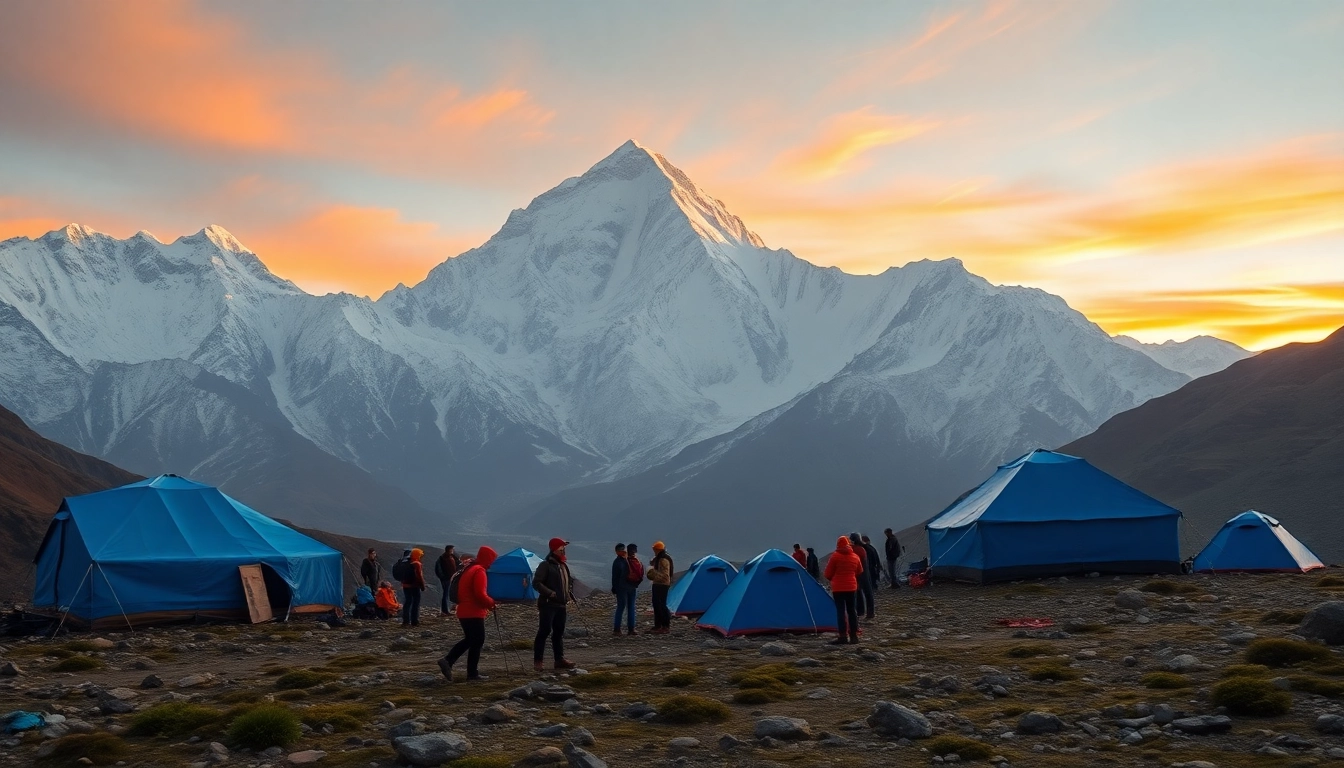
The Everest Base Camp Trek is not just a physical challenge; it's an exhilarating journey that takes you into the heart of the Himalayas, offering breathtaking views, rich culture, and a sense of achievement that few experiences can match. Spanning 14 days, this trek is designed for adventurers eager to witness the majesty of the world's highest peak, Mount Everest. As you navigate through lush forests, serene rivers, and vibrant Sherpa villages, you'll also gain insights into the traditions and lifestyles of the local people. When exploring options, Everest Base Camp Trek provides comprehensive insights into the route, accommodations, and what to expect along the way, ensuring trekkers are well-prepared for their adventure.
The Journey to Everest Base Camp
Your trek begins with a spectacular flight to Lukla, one of the most thrilling airport landings in the world, followed by days of walking through stunning landscapes. Each step takes you further into the Khumbu region, renowned for its picturesque scenery and welcoming communities. The trail gradually ascends, allowing your body to acclimatize to the increasing altitude—a crucial element to mitigate the risk of altitude sickness.
Highlights of the Trek
- Stunning vistas of iconic peaks like Lhotse, Nuptse, and Ama Dablam
- Visiting the ancient Tengboche Monastery, a spiritual hub of the region
- Experiencing the unique culture of the Sherpa people through their hospitality
- Acclimatization days that allow for exploration and cultural immersion
- Reaching the base of Mount Everest, one of the most coveted trekking goals globally
What to Expect During the Trek
Expect a blend of challenge and beauty throughout your journey. The terrain can be rocky and steep, with varying weather conditions that require flexibility in planning. The intimate experience of trekking among the world's highest peaks is contrasted by the camaraderie shared with fellow trekkers, guides, and porters, who play an essential role in making this adventure unforgettable.
Important Itinerary for the 14-Day Trek
Day-by-Day Trekking Breakdown
The itinerary for the Everest Base Camp Trek is meticulously designed to balance trekking with necessary acclimatization days. Here’s a breakdown of the daily activities:
- Day 1: Arrival at Tribhuvan International Airport in Kathmandu, transfer to your hotel.
- Day 2: Fly to Lukla from Kathmandu (35 minutes) and trek to Phakding (3-4 hours).
- Day 3: Trek from Phakding to Namche Bazaar (5-6 hours).
- Day 4: Acclimatization day at Namche; hike to Hotel Everest View (4-5 hours).
- Day 5: Trek to Tengboche (5-6 hours).
- Day 6: Trek to Dingboche (5-6 hours).
- Day 7: Acclimatization day; hike to Nangkartsang Peak (4-5 hours).
- Day 8: Trek to Lobuche (5-6 hours).
- Day 9: Trek to Everest Base Camp and return to Gorak Shep (8-9 hours).
- Day 10: Early morning hike to Kala Patthar, descend to Pheriche (7-8 hours).
- Day 11: Trek back to Namche Bazaar from Pheriche (7-8 hours).
- Day 12: Trek to Lukla from Namche (7-8 hours).
- Day 13: Flight back to Kathmandu or Manthali and drive to Kathmandu (5-6 hours).
- Day 14: Departure from Tribhuvan International Airport.
Key Acclimatization Days
Acclimatization is essential for a successful trek, particularly on high-altitude routes like this one. Day 4 in Namche Bazaar and Day 7 in Dingboche are specifically designed to help your body adjust to the altitude before pushing further towards Everest Base Camp. Engaging in light activities, such as short hikes during these acclimatization days, can significantly enhance your trekking experience.
Essential Stops Along the Route
- Namche Bazaar: Known as the gateway to Everest, this vibrant town is a perfect place to acclimatize and shop for supplies.
- Tengboche: Home to the famous monastery where trekkers can experience traditional ceremonies.
- Dingboche: Another vital acclimatization stop with stunning views of the surrounding peaks.
- Lobuche: The last major stop before heading to base camp, providing a strategically important resting point.
Preparation and Packing Tips for EBC Trek
What Gear is Essential for Trekking?
Proper gear is crucial for a safe and enjoyable trek. Essential equipment includes sturdy trekking boots, layered clothing suitable for varying temperatures, and a reliable backpack. Below are some specifics to consider when preparing your gear:
- Trekking Boots: Invest in a high-quality pair that provides good ankle support and is comfortable for long hikes.
- Clothing Layers: Thermal base layers, insulating mid-layers, and waterproof outer shells are key for temperature regulation.
- Daypack: A comfortable daypack to carry your essentials, snacks, and water during daily treks.
Clothing for High Altitude Conditions
When trekking at high altitudes, temperatures can fluctuate dramatically. It's important to pack clothing that allows for adaptability to the conditions. Here are clothing recommendations:
- Thermal underwear for insulation
- Waterproof and windproof jacket and pants
- Warm hat, gloves, and neck gaiter for protection against cold winds
- Sun protection gear, such as a wide-brimmed hat and sunglasses
Recommended Equipment Rentals and Purchases
If you're unable to bring all your gear from home, many stores in Kathmandu, particularly around Thamel, offer rentals for trekking essentials like sleeping bags and down jackets. Renting equipment can significantly lighten your travel load while ensuring you have the necessary gear for the trek.
Understanding Costs and Budgets for the EBC Trek
Breaking Down the Trekking Costs
The total cost of the Everest Base Camp Trek can vary greatly depending on various factors, including the type of tour package you choose, accommodation preferences, and additional services. As of 2025, the typical range for this trek is between $1,150 to $1,950 per person. Here's how to break down these costs:
- Permits: Essential permits like TIMS and Sagarmatha National Park are included in most packages.
- Accommodation: Expect to stay in teahouses during the trek, which offer basic lodging.
- Guides and Porters: Their services, which are crucial for an enjoyable trek, are included in the package cost.
Additional Expenses to Consider
Beyond the core trekking costs, you should budget for some additional expenses. These may include:
- Snacks and beverages during the trek
- Hot showers, Wi-Fi, and charging electronic devices at lodges
- Tips for guides and porters
- Unexpected medical expenses or travel insurance
Tipping Practices in the Trekking Community
Tipping is customary in the trekking community as a way to show appreciation for the services provided by guides and porters. A general guideline is to set aside around 10% of your total trek cost for tipping, which can be shared between the group members.
Health, Safety, and Travel Considerations
Altitude Sickness Prevention Strategies
Altitude sickness is a serious concern for trekkers aiming to reach Everest Base Camp. It's important to recognize the symptoms and take preventive measures seriously. Key strategies include:
- Gradual ascent to allow your body time to acclimatize
- Staying hydrated and maintaining a balanced diet
- Recognizing early symptoms, such as headache and nausea, and descending if necessary
Health and Safety Protocols During the Trek
Before and during your trek, be sure to keep in touch with your guides regarding your health status. They are trained to recognize signs of altitude sickness and have protocols for emergencies, including the use of Portable Altitude Chambers (PAC) if required.
Travel Insurance Recommendations
Obtaining comprehensive travel insurance that covers high-altitude trekking is essential. Ensure your plan includes coverage for medical evacuation, trip cancellations, and personal belongings. It’s advisable to read the fine print of your policy to understand the coverage limits.