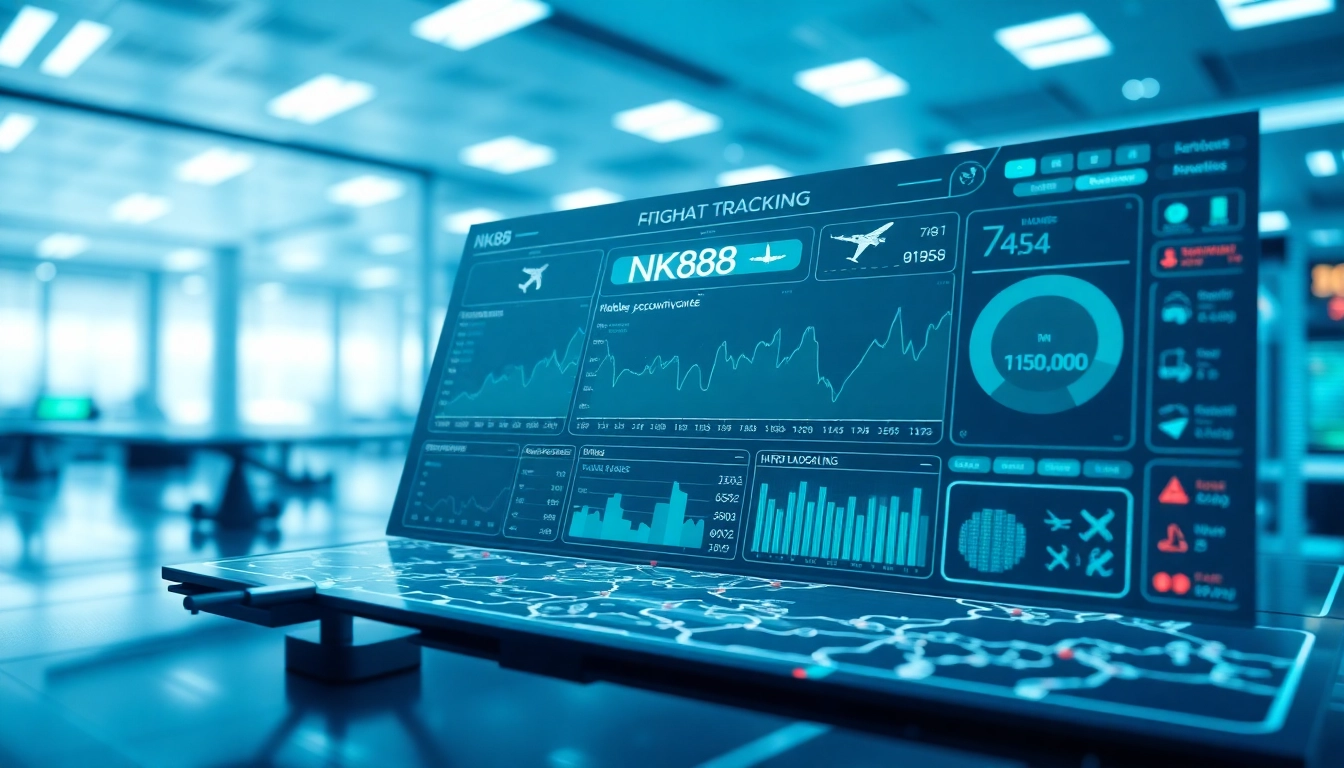
Introduction to NK88 and Flight Tracking Technology
In the rapidly evolving world of aviation, the ability to track flights with precision is more critical than ever. One of the key players in this domain is NK88, a flight operated by Spirit Airlines, which not only enhances passenger convenience but also sets the stage for innovative flight tracking technologies. As air travel continues to grow in demand, understanding how flight tracking works and the value it adds to customer experience is essential for passengers and industry professionals alike. When exploring options, NK88 provides comprehensive insights that are invaluable for ensuring smooth travels.
The Significance of NK88 in Flight Monitoring
NK88 serves as a prime example of how modern airlines leverage technology for effective flight monitoring. With a significant passenger load, this flight highlights the importance of real-time updates and tracking in enhancing overall travel satisfaction. By providing accurate flight status, including delays and estimated arrival times, NK88 exemplifies a commitment to transparency and customer service that is essential in the aviation industry.
Overview of Flight Tracking Systems
Flight tracking systems have evolved significantly over the years. Initially dependent on ground-based radar, today’s systems utilize a combination of satellite technology, ADS-B (Automatic Dependent Surveillance–Broadcast), and data feed integration to provide real-time information. These systems allow for tracking flights like NK88 with remarkable accuracy, providing users with detailed data about flight paths, altitude, speed, and more. Understanding how these systems work can help passengers appreciate the level of coordination involved in modern air travel.
How NK88 Enhances Passenger Experience
For passengers flying on NK88, the benefits of advanced flight tracking technology are manifold. Enhanced communication about flight status, gate changes, and weather impacts are just a few ways in which airlines are striving to improve the passenger experience. Additionally, integration with mobile apps allows travelers to receive notifications and updates directly on their smartphones, making the travel process smoother and more comfortable.
Technical Aspects of NK88 Flight Data
Understanding Flight Data Metrics for NK88
Flight data metrics are crucial for analyzing performance and ensuring safety in aviation. Key metrics for NK88 include on-time performance, average delay times, and historical flight data. Understanding these metrics can provide insights into operational efficiency and help identify patterns that may affect travelers. Airlines can use this information to make data-driven decisions that enhance service delivery.
How to Read NK88 Flight Tracking Reports
Reading flight tracking reports can seem daunting at first, but they are designed to be user-friendly. Typically, reports for flights like NK88 will include details such as scheduled departure and arrival times, actual times, and any delays. Familiarizing oneself with these components can empower passengers to make informed decisions about their travel plans. Understanding this information is also critical for stakeholders in the aviation industry who rely on data for optimizing operations.
Real-Time Updates: Keeping Up with NK88
Real-time updates are vital for passengers and airline operations. Through digital platforms and applications, users can access live data on NK88’s status. This information allows travelers to adjust their plans accordingly. Moreover, airlines benefit from real-time data as it helps them manage air traffic and streamline boarding processes, directly affecting customer satisfaction.
Competitive Analysis: NK88 vs. Other Flight Tracking Services
Comparative Metrics of NK88 versus Competitors
When examining NK88 in comparison to other flights, it is important to consider various performance metrics, such as average delay times and customer satisfaction ratings. NK88 stands out due to its consistent on-time performance, which is a crucial factor for travelers. An analysis of these metrics can highlight the competitive advantages that NK88 offers over other airlines operating similar routes.
Customer Preferences: What Users Say About NK88
Feedback from passengers on NK88 reveals a strong preference for transparency and ease of access to flight information. Customers appreciate timely updates and easy navigation through flight tracking platforms. Such insights are invaluable for airlines looking to enhance their service offerings and meet customer expectations more effectively.
Case Studies: Successful Implementations of NK88 Data
Examining case studies where NK88's data was successfully utilized offers valuable lessons for the aviation sector. For instance, airlines that have implemented comprehensive tracking systems for NK88 have reported improved customer satisfaction scores, leading to increased loyalty and repeat bookings. These case studies underscore the importance of leveraging technology to enhance operational efficiency and customer engagement.
Future Trends in Flight Tracking for 2025 and Beyond
Emerging Technologies in Flight Tracking
The future of flight tracking is paved with technological advancements such as artificial intelligence and machine learning. These systems promise to automate many tracking processes, offering predictive analytics that can forecast delays before they occur. As airlines integrate these technologies, the efficiency of operations like NK88 will likely improve, benefitting both the airline and its passengers.
Predictions for NK88's Role in Future Aviation
Looking ahead to 2025, NK88 is expected to play a pivotal role in transforming how airlines interact with passengers. Innovations in user interfaces and mobile applications will likely provide passengers with even more control over their travel experience. As airlines evolve, NK88 will serve not just as a flight but as a case study in effective communication and service delivery.
How Regulatory Changes May Impact NK88
Regulatory changes in the aviation sector can have significant implications for flight operations. New safety regulations and data sharing agreements may alter how flights like NK88 operate. Staying informed about these changes is crucial for airlines to align their operations with industry standards and maintain customer trust.
Conclusion: The Value of NK88 in Modern Aviation
Key Takeaways from NK88 Flight Tracking Data
In summary, NK88 exemplifies the integration of technology in enhancing flight operations and passenger experience. Key takeaways include the importance of real-time data, understanding flight metrics, and utilizing customer feedback for service improvements. As airlines adopt more advanced flight tracking technologies, the lessons learned from NK88 will be invaluable.
Why Customers Should Choose NK88
Choosing to fly on NK88 offers several advantages, including reliable service, transparency in flight operations, and enhanced communication. Customers looking for a hassle-free travel experience can benefit significantly from the commitment to excellence that NK88 represents.
Future Developments to Watch in NK88 Tracking Services
As flight tracking continues to innovate, keeping an eye on future developments related to NK88 will be essential for both passengers and industry stakeholders. From emerging technologies to changing regulations, the landscape of aviation is set to evolve, promising exciting shifts that will enhance the travel experience further.