Understanding Water Leak Detection
Water leak detection is an essential aspect of home maintenance that can prevent severe damage and costly repairs. In an age where homeowners are increasingly aware of the hidden dangers that water leaks can pose, understanding how to effectively detect and manage these issues is crucial. Whether you’re dealing with minor leaks that lead to mold growth or significant bursts that can damage your home’s foundation, knowing when and how to act can save you time, money, and stress. As a leading expert in water leak detection, The Leak Hunter utilizes state-of-the-art technology to ensure one can identify and resolve leaks swiftly and effectively.
What is Water Leak Detection?
Water leak detection refers to the methods and technologies used to identify leaks in various plumbing and piping systems within residential and commercial properties. This process can involve both visual inspections and advanced technology, enabling specialists to locate leaks that may not be immediately visible or accessible. By detecting leaks early, homeowners can prevent further damage, reduce repair costs, and maintain a safe living environment.
The Importance of Early Leak Detection
Detecting leaks early can have significant financial and structural implications. According to industry estimates, a small leak can waste over 10,000 gallons of water annually, leading to inflated utility bills and potential environmental harm. Additionally, leaks often lead to water damage, which can result in mold growth, rot, and structural instability. By investing in proactive leak detection services, homeowners can safeguard their properties and avoid expensive repairs.
Common Signs of Water Leaks
Recognizing the signs of water leaks is the first step towards effective management. Common indicators of leaks include:
- Unexplained increases in water bills
- Damp spots on walls or ceilings
- Visible mold or mildew
- Sound of running water when no taps are on
- Wet or soggy patches in your yard, indicating underground leaks
Advanced Techniques in Water Leak Detection
Modern leak detection employs a variety of advanced techniques, enhancing the accuracy and efficiency of the process. Understanding these methods can help homeowners appreciate the value of professional services.
Utilizing Thermal Imaging Technology
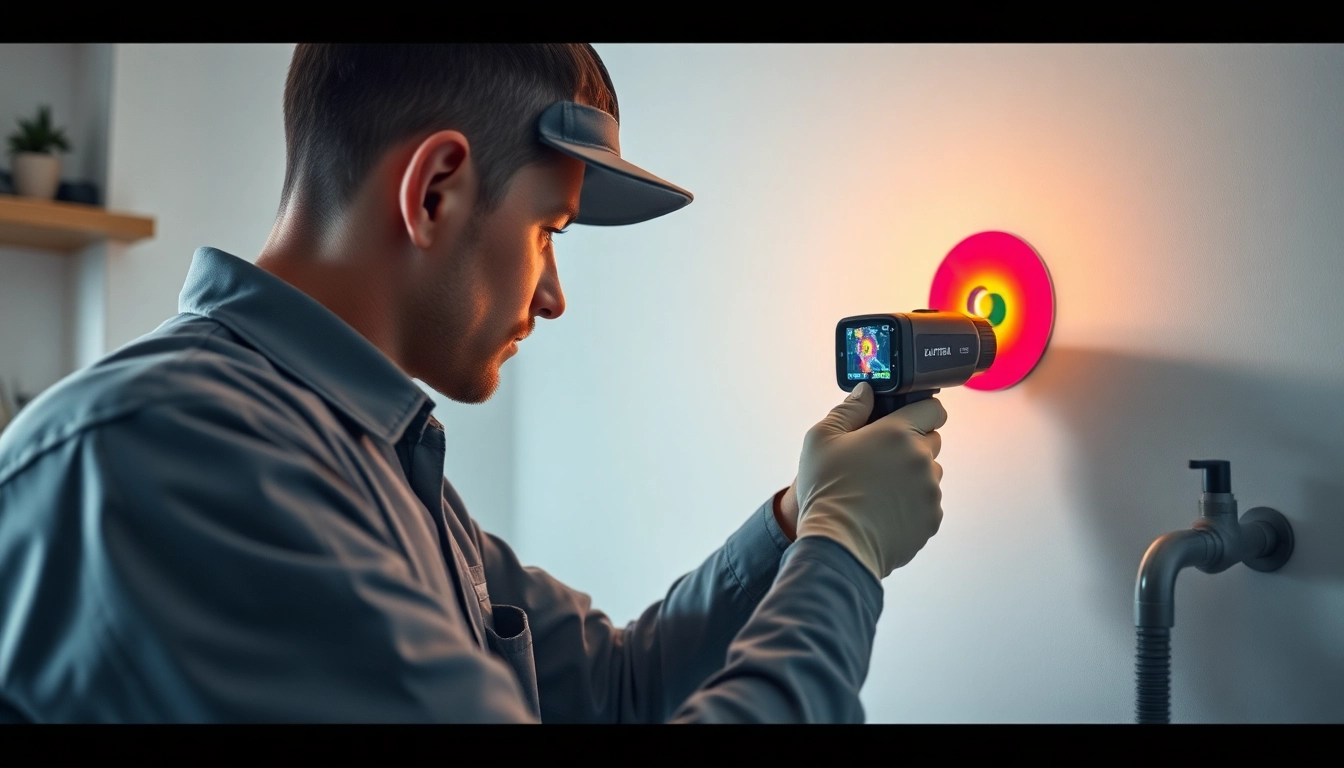
Thermal imaging technology is a game-changer in the realm of water leak detection. By capturing infrared images, technicians can identify temperature variations resulting from water seepage. This allows them to detect leaks hidden behind walls, under floors, or in ceilings without causing damage to the property. Thermal cameras reveal temperature differences that may indicate the presence of moisture, providing critical information to inform further investigative work.
Acoustic Listening Devices Explained
Acoustic listening devices are another cutting-edge tool used in leak detection. These devices amplify the sounds of leaking water, allowing technicians to pinpoint the source of a leak, even if it is buried deep underground. The sound of water escaping from pipes can be detected and interpreted, enabling accurate identification of the leak's location.
Pressure Testing for Accurate Leak Location
Pressure testing involves isolating sections of plumbing systems and monitoring the pressure levels. A significant drop in pressure can indicate a leak, and this method is particularly effective for detecting leaks in large underground water mains or complex plumbing systems.
Non-Invasive Methods for Domestic Leak Detection
Homeowners often prefer non-invasive methods for leak detection to avoid the disruption associated with traditional techniques. These methods allow professionals to locate leaks without damaging walls, floors, or landscaping, making them ideal for residential properties.
How Non-Destructive Techniques Work
Non-destructive techniques utilize advanced technology to assess the integrity of piping systems. For instance, moisture mapping tools can identify areas of dampness without intrusive drilling. This mapping is essential for locating leaks in hard-to-reach areas while minimizing property damage.
Benefits of Non-Invasive Leak Detection
The primary benefits of non-invasive leak detection methods include:
- Minimized disruption to home and landscape
- Reduced repair costs due to less damage
- Faster identification and resolution of leaks
- Preservation of property aesthetics and functionality
Challenges and Limitations of Non-Invasive Methods
While non-invasive methods present several advantages, they are not without challenges. Some limitations include the potential for false positives, as certain conditions may mimic leak signs, and in some cases, accessibility to certain areas may prove difficult. Nonetheless, the accuracy and efficiency of modern technology often outweigh these challenges.
Choosing Professional Leak Detection Services
Selecting the right leak detection service is crucial for effective water management. Here are key factors to consider when evaluating potential providers:
What to Look for in a Leak Detection Service
When choosing a leak detection company, consider the following:
- Experience and certifications of technicians
- Advanced technologies employed in their services
- Customer reviews and testimonials
- Availability of guarantees and after-service support
Cost Factors in Water Leak Detection
The cost of professional water leak detection can vary significantly based on several factors:
- Location of the leak and accessibility
- Extent of the damage caused by the leak
- Type of detection method employed
- Time required for thorough investigation
Guaranteed Services and Customer Trust
Reputable leak detection services often provide guarantees for their work. This not only reflects their confidence in the methods employed but also builds trust with customers, as they feel more secure knowing that they will not incur costs if a leak goes undetected.
Future Trends in Water Leak Detection
The field of leak detection is continually evolving, with new technologies emerging that enhance detection capabilities. Understanding these trends can help homeowners stay ahead of potential issues.
Emerging Technologies to Watch in 2025
As technology advances, several innovations are expected to shape the future of water leak detection:
- AI and machine learning algorithms for predictive leak detection
- Integration of smart home systems with leak detection sensors
- Enhanced acoustic and thermal devices for more accurate findings
Impact of Smart Home Devices on Leak Detection
Smart home technology is revolutionizing the way leaks are detected and managed. Devices equipped with sensors can provide real-time alerts to homeowners, allowing for immediate action. These systems often integrate with mobile apps, enabling homeowners to monitor their plumbing systems remotely.
Preparing Your Home for Advanced Detection Methods
To take full advantage of emerging leak detection technologies, homeowners should consider the following steps:
- Regular maintenance of plumbing systems to ensure optimal performance
- Investing in smart home leak detection systems for proactive monitoring
- Maintaining clear access to plumbing fixtures for emergency situations