In an increasingly connected world where technology shapes how we live, work, and interact, understanding Home Security has never been more important. With rising concerns about break-ins, package theft, online vulnerabilities, and the unpredictability of modern living, homeowners and renters are actively seeking reliable ways to protect their property and loved ones. Yet the world of Home Security can be overwhelming for beginners who are unsure where to start. From deciding between DIY and professional systems to understanding smart home integrations and privacy considerations, the learning curve can feel steep. That is exactly why this complete starter guide exists. Deep Dive Picks specializes in delivering thorough, research-backed insights, and this in-depth guide is designed to walk beginners through every essential aspect of Home Security. By the end, you’ll not only understand how Home Security works but also how to make smarter decisions in choosing devices, systems, and strategies that offer true protection and long-term value.
Understanding the Essentials of Home Security
Before exploring systems, sensors, and smart devices, it is important to understand what Home Security actually means. At its core, Home Security revolves around safeguarding your property, possessions, and loved ones through a combination of physical barriers, technological devices, monitoring services, and preventive strategies. While this includes alarms and cameras, it also encompasses awareness, habits, and planning. Beginners often believe that Home Security starts with buying gadgets, but true protection begins with understanding risks, evaluating your living environment, and identifying vulnerabilities. Whether you live in an apartment, a townhouse, or a single-family home, your approach to Home Security should be tailored to your lifestyle, layout, and the threats most relevant to your area. A well-designed Home Security plan blends convenience, deterrence, detection, and response.
Why Home Security Matters More Than Ever
The importance of Home Security has increased dramatically over the last decade. With more deliveries, remote working setups, and valuable smart devices inside homes, the potential for theft has risen. Burglars often look for quick opportunities, and even small gaps in your Home Security routine can be exploited. Beyond physical protection, modern systems offer benefits like real-time alerts, automation, and integration with smart home ecosystems. This not only keeps your household safer but also adds convenience to daily living. Furthermore, insurance companies frequently offer discounts for improved Home Security systems, making them a financially smart investment. In a world saturated with digital and physical threats, a strong Home Security foundation provides peace of mind and long-term value.
How Home Security Systems Work
Modern Home Security systems operate through a combination of sensors, control panels, communication hubs, and monitoring channels. When a sensor detects unusual activity—such as motion, the opening of a door, broken glass, or smoke—it sends a signal to the system’s central hub. Depending on the setup, the hub notifies the homeowner, sends alerts to a monitoring service, triggers a siren, or activates connected smart devices. For beginners exploring Home Security, understanding how these components speak to one another is crucial. Most systems now rely on wireless communication, making installation easier and more accessible. Wi-Fi, Bluetooth, Zigbee, and Z-Wave are common protocols used to connect Home Security devices within your home. These communication standards allow new users to start small and expand gradually as they learn what works best.
Professional Monitoring vs. Self-Monitoring
Choosing between professional monitoring and self-monitoring is one of the first major decisions beginners face in the world of Home Security. Professional monitoring involves a third-party company that oversees your system 24/7. When an alarm is triggered, trained operators verify the threat and contact emergency responders. This provides a high level of reliability and round-the-clock vigilance. In contrast, self-monitoring relies on smartphone notifications and user intervention. While this approach is more affordable and flexible, it places responsibility entirely on the homeowner. Both monitoring methods have advantages, but beginners should assess their lifestyle, schedule, and comfort level before choosing. A busy professional who frequently travels may prefer professional monitoring, while someone who is home most of the time might find self-monitoring sufficient. Regardless of the approach, integrating effective Home Security monitoring can drastically improve response time during emergencies.
The Role of Smart Home Technology in Home Security
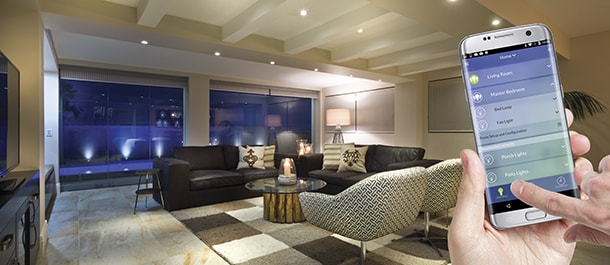
Smart home technology has completely transformed Home Security, offering seamless integration, automation, and control like never before. Devices such as smart locks, video doorbells, indoor cameras, motion sensors, and voice assistants work in harmony to enhance convenience and protection. For beginners, smart technology simplifies the process of monitoring your home remotely. You can lock doors, view security footage, or receive alerts directly on your smartphone, no matter where you are. Many systems are compatible with popular platforms like Google Home, Amazon Alexa, and Apple HomeKit, allowing you to manage Home Security through voice commands or centralized apps. This interconnected ecosystem makes it easier to build a customized setup that evolves with your needs. Smart technology does not replace traditional Home Security principles but modernizes them with automation and real-time intelligence.
Choosing the Best Home Security Cameras
Security cameras are often the first device beginners purchase when building a Home Security setup. A high-quality camera acts as both a deterrent and a surveillance tool. When selecting cameras, beginners should consider resolution, field of view, night vision, cloud storage options, and weather resistance. A camera with crisp resolution can capture clear details that may be important in identifying suspicious activity, while a wide field of view ensures more coverage. Night vision is essential for low-light environments, as many burglaries occur after dark. Cloud storage options allow users to access recorded footage from anywhere, though local storage may appeal to those concerned with privacy. Wireless cameras simplify installation and are ideal for renters. When incorporated effectively, cameras significantly strengthen overall Home Security by providing visual evidence and real-time monitoring.
Understanding Motion Sensors and Their Importance
Motion sensors are one of the foundational elements of any Home Security system. These devices detect movement within designated areas, whether inside the home or around its perimeter. When positioned properly, motion sensors alert homeowners when unexpected activity is detected, helping prevent unauthorized entry. Beginners often underestimate the importance of motion sensors, assuming cameras alone are enough. However, sensors provide immediate detection and can trigger alarms or automated lighting, enhancing both deterrence and response. Motion sensors come in various types, including infrared, microwave, and dual-technology sensors, each offering unique benefits. When integrated into a Home Security setup, they form a vital layer of protection that works seamlessly with cameras and alarms.
Securing Doors and Windows Effectively
Doors and windows are the most common entry points in break-ins, making them essential components of Home Security planning. Beginners should treat these areas as top priorities. Reinforced deadbolts, smart locks, window sensors, and shatter-resistant glass add substantial protection. Smart locks enhance convenience by allowing remote control, automatic locking, and integration with alarm systems. Window sensors detect when a window is opened unexpectedly, immediately triggering an alert. For those living in high-risk areas, installing window film for added resistance can provide an extra layer of security. By strengthening these critical entry points, homeowners establish the foundation of a strong Home Security system that reduces vulnerabilities and creates a safer environment.
Why Indoor and Outdoor Lighting Matters
Lighting is a simple yet powerful component of Home Security. Well-lit exteriors deter intruders, who prefer to operate in darkness where they are less likely to be detected. Motion-activated lighting is especially effective, as sudden illumination can startle intruders and alert homeowners. Indoors, smart lighting can simulate occupancy when you are away, creating the illusion that your home is lived-in and monitored. This strategy is particularly useful for beginners trying to create layers of protection without investing heavily in equipment. Integrating lighting into your Home Security system enhances both safety and convenience while adding minimal maintenance requirements.
Alarms, Sirens, and Alerts: How They Strengthen Security
Alarms and sirens play an important psychological role within Home Security. When triggered, they create loud, attention-grabbing noise designed to scare intruders and alert neighbors. Most modern systems incorporate both local alarms and digital alerts. Local alarms activate inside the home, while digital alerts send notifications directly to your smartphone or monitoring service. For beginners, choosing an alarm system with customizable settings is essential. You should be able to adjust volume levels, delay timers, and detection rules based on your home’s layout and your routines. An effective alarm system strengthens your overall Home Security posture by ensuring immediate response and maximizing deterrence.
Building a Layered Home Security Strategy
A layered strategy is widely viewed as the most effective approach to Home Security. It combines multiple tools and techniques to create overlapping layers of protection, making it difficult for intruders to exploit vulnerabilities. For beginners, this means starting with the basics—secure entry points, reliable locks, effective lighting—and gradually adding advanced technologies like cameras, sensors, and smart automation. The goal is to create a cohesive Home Security system where each component complements the others. Even if one layer fails, others remain active. This holistic approach ensures that your investment is purposeful and your environment remains secure.
How to Choose the Right Home Security System
Choosing the right Home Security system can feel overwhelming, especially with the endless number of products available today. Beginners should start by determining their priorities. You may need strong outdoor monitoring, advanced automation, or simple entry detection depending on your lifestyle. Consider whether you prefer a DIY system you can install yourself or a professionally installed solution with robust monitoring features. Budget also plays a significant role, as more advanced Home Security ecosystems can become costly. However, starting with basic devices and expanding over time is a smart, sustainable approach. Reliable brands with a strong reputation for security, privacy, and long-term support are typically the safest choices for beginners.
Privacy and Data Protection in Home Security
As Home Security becomes more digital and cloud-based, privacy has become a serious concern. Beginners should be aware that cameras, smart locks, and connected devices collect data that must be protected. Choosing brands with strong privacy policies, encrypted communication protocols, and secure cloud storage is essential. Users should update device firmware regularly, use strong passwords, and enable two-factor authentication. These steps ensure that your Home Security system not only protects your home but also safeguards your personal information. As the industry evolves, privacy-first design is becoming a major selling point for security-conscious homeowners.
Renters and Home Security: What You Need to Know
Renters often feel limited in their ability to improve Home Security, but modern wireless devices have changed this entirely. Many systems today are renter-friendly, allowing easy installation without drilling or wiring. Portable cameras, adhesive sensors, and smart locks with temporary codes give renters control without violating lease agreements. It is also advisable for renters to inform their landlords about Home Security updates, especially if they involve shared areas. With the right setup, renters can enjoy the same level of protection as homeowners, proving that Home Security is accessible to everyone.
Common Home Security Mistakes Beginners Must Avoid
Beginners often unintentionally weaken their Home Security by overlooking simple yet crucial details. One common mistake is leaving entry points unlocked, assuming break-ins only happen at night or when away from home. Another mistake is relying too heavily on one device, such as cameras, without incorporating sensors or alarms. Placing cameras in ineffective locations or failing to maintain lighting also reduces security impact. Another overlooked risk is failing to update device software, leaving systems vulnerable to cyber threats. By understanding and avoiding these mistakes, beginners can strengthen their Home Security setup significantly.
Future Trends in Home Security Technology
The future of Home Security is evolving rapidly with advancements in artificial intelligence, automation, and predictive analytics. AI-powered cameras can now distinguish between humans, animals, and vehicles, reducing false alerts. Smart sensors can detect unusual patterns, such as unexpected temperature changes or prolonged door openings. Voice assistants are becoming more integrated, enabling full control of security systems through speech. The shift toward cloud-based ecosystems and interconnected devices continues to shape the trajectory of Home Security, offering beginners powerful and intelligent solutions. As these trends grow, homeowners can expect more personalized, efficient, and proactive security options.
Conclusion
Building a strong Home Security foundation does not have to be complicated, even for complete beginners. By understanding the essential components, assessing your home’s vulnerabilities, and choosing the right technologies, you can create a reliable and effective security strategy tailored to your needs. Modern Home Security goes beyond alarms and cameras; it blends smart automation, proactive detection, and thoughtful planning to safeguard your environment. With the insights provided in this guide, you now have the knowledge to make confident decisions, prioritize the right tools, and establish long-term safety for your household. Deep Dive Picks remains committed to offering expert, research-driven insights, helping you make informed choices as you explore the evolving world of Home Security. For further information, please visit our main page.
Frequently Asked Questions
What is the first step in setting up an effective home security system?
The first step in setting up effective Home Security involves assessing your current home layout, identifying potential entry points, and understanding the specific risks associated with your neighborhood. Beginners should start small by securing doors and windows before adding cameras, sensors, and alarms that gradually build a more comprehensive protective system.
Do beginners need professional monitoring for home security?
Professional monitoring is not required for beginners, but it can significantly enhance Home Security by providing 24/7 support and rapid emergency response. Those who travel frequently or live alone often benefit from professional services, while others may prefer self-monitoring for budget and convenience reasons.
Are smart home devices essential for modern home security?
While not essential, smart devices elevate Home Security by adding automation, remote access, voice control, and real-time notifications. Smart locks, smart lights, and app-connected cameras can improve convenience and efficiency, making modern Home Security more intuitive for beginners.
What is the biggest mistake beginners make when securing their home?
One of the biggest mistakes beginners make in Home Security is relying on a single device such as a camera, assuming it offers complete protection. A strong system requires layered security including sensors, alarms, lighting, and strong entry point reinforcement to create comprehensive coverage.
How much should beginners expect to spend on home security?
Beginners exploring Home Security can start with a minimal investment, often spending between $100 and $300 on basic devices such as cameras, sensors, and smart locks. Over time, the system can expand gradually, allowing users to build a more advanced setup without overwhelming costs.