
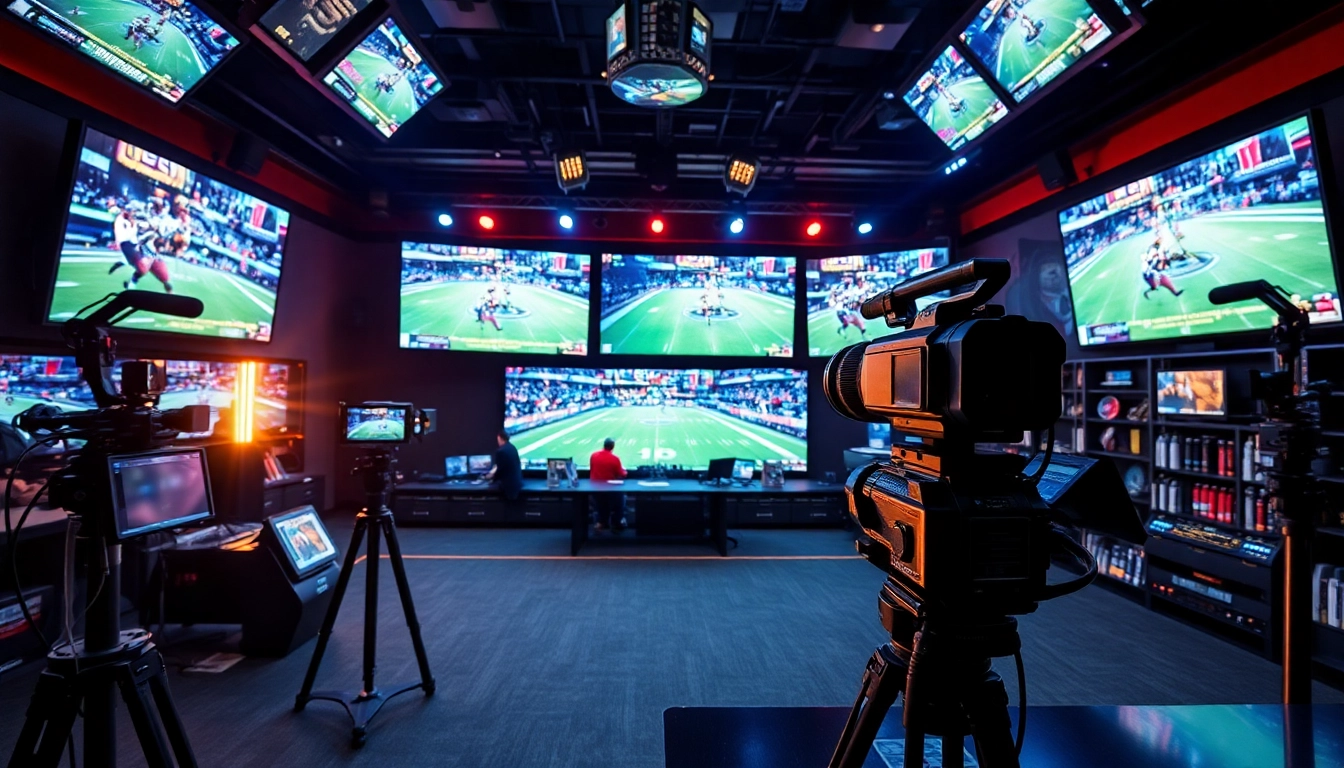
Understanding the Basics of Sports Broadcasting
Sports Broadcasting is a dynamic field that combines the excitement of sports with the technical prowess of media technology. The primary objective of Sports Broadcasting is to relay information, entertainment, and analysis of sports events to a widespread audience. As sports continue to capture the collective imagination of fans globally, the intricacies involved in effectively delivering that content have evolved significantly over time. Sports Broadcasting serves as a powerful medium that allows fans to engage with their favorite games, teams, and athletes from the comfort of their homes or on the go.
What is Sports Broadcasting?
Sports Broadcasting entails the transmission of sports events through various media platforms, including television, radio, and digital channels. It encompasses live coverage, pregame and postgame analyses, sports news, and commentary. The goal is to deliver a seamless experience to audiences, showcasing not just the scores and highlights but the stories, personalities, and emotions associated with sports.
The Evolution of Sports Broadcasting
The history of Sports Broadcasting dates back to the early 20th century, when radio became popular, allowing listeners to hear live game updates. The advent of television transformed the landscape further in the 1950s, bringing games and highlights directly into living rooms. Today, online streaming and social media have added layers of accessibility and interactivity, allowing fans to engage with content in real time.
Key Components of Sports Broadcasting
Sports Broadcasting consists of several components, including:
- Live Coverage: Real-time coverage of games, events, and competitions.
- Commentary and Analysis: Expert insights that offer context and depth to the viewing experience.
- Production Quality: High-definition video, professional graphics, and sound mixing that enhance storytelling.
- Audience Engagement: Interactive elements such as polls, chats, and social media integration.
Essential Techniques in Sports Broadcasting
Camera Work and Angle Selection
Effective camera work is critical in Sports Broadcasting. Producers and directors must choose angles that capture the action while providing the audience with context. Techniques like the following are utilized:
- Wide Shots: To establish the environment or show the scale of the event.
- Close-ups: To capture the emotions of players and the intensity of the game.
- Replays: Slow-motion and multi-angle replays that allow for in-depth analysis of key moments.
Audio and Commentary Best Practices
Audio quality is as vital as video quality in Sports Broadcasting. Commentary should be engaging and informative, ensuring that it adds to the viewer's experience. Best practices include:
- Clear Communication: Commentators must articulate their thoughts clearly and maintain a steady pace.
- Engagement with the Audience: Inviting viewer comments or reactions can create a more immersive experience.
- Expert Insights: Including expert analysis enriches the narrative and educates the audience.
Editing for Engaging Content
Post-production is a crucial component, where raw footage is transformed into polished content. Key techniques include:
- Highlight Reel Creation: Selectively cutting key moments for recap shows or social media sharing can enhance viewer satisfaction.
- Dynamic Graphics: Incorporating graphics and stats helps illustrate complex elements of the game.
- Pacing: The rhythm of editing can build suspense and excitement, keeping the audience engaged.
Technology and Tools in Sports Broadcasting
Broadcasting Equipment Overview
The equipment used in Sports Broadcasting has become increasingly sophisticated, with advancements in technology leading to enhanced viewing experiences. Essential equipment includes:
- Cameras: From HD to 4K and even 8K cameras that provide ultra-clear imagery.
- Mixing Boards: For audio management, allowing multiple sound sources to be integrated and controlled seamlessly.
- Scoreboards and Graphics Systems: To keep viewers updated on scores, stats, and player information dynamically during broadcasts.
Software Solutions for Efficiency
Software plays a vital role in modern Sports Broadcasting, improving efficiency during production and post-production processes. Key tools include:
- Editing Software: Programs like Adobe Premiere Pro or Avid Media Composer are widely used for video editing.
- Graphic Creation Tools: Software like After Effects is utilized to create stunning graphics and animation.
- Live Streaming Platforms: Solutions such as OBS Studio assist in streaming events directly to audiences.
Emerging Technology Trends
As technology progresses, several emerging trends shape the future of Sports Broadcasting, such as:
- Virtual and Augmented Reality: Allowing fans to experience games from unique perspectives.
- Artificial Intelligence: Used for analytics and enhancing production workflows.
- 5G Connectivity: Enabling faster and more reliable streaming options for mobile viewers.
Crafting Compelling Narratives in Sports Broadcasting
Storytelling Techniques for Sports
At the core of Sports Broadcasting lies storytelling. Engaging narratives are crucial for drawing viewers in, which can be accomplished through:
- Character Development: Focusing on athletes and their journeys adds depth and emotional weight.
- Conflict and Resolution: Highlighting challenges faced during a game or a season creates tension and interest.
- Historical Context: Relating current events to historical moments captivates long-time fans.
Building a Connection with the Audience
Relationship-building with the audience can enhance loyalty and engagement. Techniques include:
- Social Media Interaction: Active communication on platforms like Twitter and Instagram fosters a sense of community.
- Viewer Polls: Engaging audiences through polls about predictions or views on game plays increases participation.
- Sharing Personal Stories: Showcasing athlete backstories helps the audience relate on a personal level.
Using Analytics to Refine Approaches
Data-driven decision-making is integral in Sports Broadcasting. Utilizing analytics allows broadcasters to:
- Measure Engagement: Understanding what content resonates with audiences can direct future strategies.
- Improve Content: Regular feedback integration leads to improved quality over time.
- Targeted Marketing: Tailoring promotional content based on viewer demographics enhances effectiveness.
Performance Metrics in Sports Broadcasting
Understanding Audience Engagement
Engagement metrics provide insight into how well content resonates with the audience. Important metrics include:
- Viewership Numbers: Monitoring live viewership and total views post-broadcast can assess performance.
- Social Media Interaction: Likes, shares, comments, and mentions reflect audience interest and involvement.
- Viewer Retention Rates: Analyzing drop-off points can reveal where engagement wanes.
Metrics to Measure Success
To gauge the effectiveness of Sports Broadcasting efforts, several key performance indicators (KPIs) should be analyzed:
- Return on Investment (ROI): Evaluating revenue generated from broadcasts compared to associated costs.
- Subscriber Growth: Tracking growth patterns of loyal viewers who engage with broadcasts regularly.
- Brand Partnership Impact: Assessing how partnerships influence viewership and brand visibility.
Feedback Loops and Continuous Improvement
Establishing feedback loops is essential for continuous improvement in Sports Broadcasting. Practical steps include:
- Regular Surveys: Gathering viewer feedback through surveys ensures audiences feel heard.
- Analyzing Competitor Successes: Learning from the success of others can open new avenues for innovation.
- Adaptive Strategies: Being flexible and ready to explore new methods can enhance the overall broadcasting approach.
Frequently Asked Questions
What skills are essential for sports broadcasters?
Skills such as strong communication, a deep understanding of sports, technical proficiency with broadcasting equipment, and the ability to engage an audience are essential.
How has technology transformed sports broadcasting?
Technology has enhanced broadcasting quality, incorporating high-definition visuals, real-time data analytics, and interactive viewing experiences, enriching audience engagement.
What role does commentary play in sports broadcasting?
Commentary adds context, insight, and emotional connection, enhancing the viewer's understanding and enjoyment of the event being broadcasted.
How can broadcasters engage their audience more effectively?
By leveraging social media, hosting polls, and sharing viewers' stories, broadcasters can create a community around their content, fostering audience engagement.
What metrics should be tracked for success in sports broadcasting?
Key metrics include viewer engagement rates, audience retention, social media interactions, and revenue from broadcasts, which indicate viewer interest and broadcast effectiveness.