 Business and Consumer Services
Expert Soft Wash Techniques: Effective Exterior Cleaning Solutions for…
Understanding Soft Wash: The Essentials
As homeowners and property managers seek effective and eco-friendly ways to enhance the curb appeal of their properties, the demand for professional washing services has surged. Among these, soft wash has emerged as a popular choice, particularly in regions like Kissimmee, FL. This method not only cleans but also preserves the integrity of a variety of surfaces, making it an essential service for anyone looking to maintain their property. In this article, we’ll explore the ins and outs of soft washing, comparing it to traditional pressure washing, and discussing its benefits, techniques, and future innovations.
What is Soft Washing?
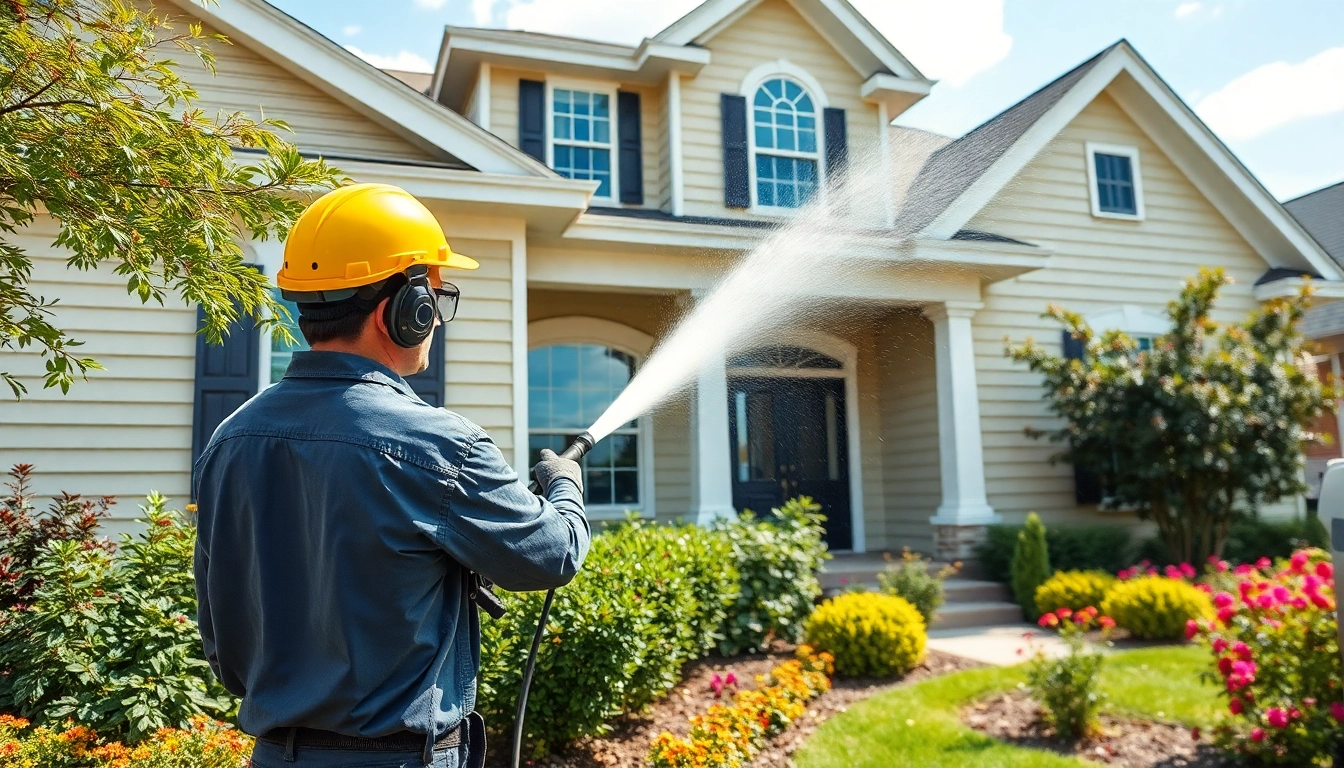
Soft washing is a cleaning technique that utilizes low-pressure water combined with biodegradable cleaning solutions to remove dirt, algae, mold, and mildew from exterior surfaces. Unlike traditional pressure washing, which can rely on high pressure to blast away grime, soft washing is gentler on surfaces while still achieving effective results. This method is particularly beneficial for delicate materials like roofs, vinyl siding, and painted surfaces that may be damaged by high-pressure streams.
Benefits of Soft Wash vs. Traditional Pressure Washing
- Gentle Cleaning: Soft washing uses low pressure, making it safer for fragile surfaces.
- Longevity: It helps extend the lifespan of materials by preventing damage caused by high-pressure jets.
- Thorough Removal: The biodegradable solutions can kill mold and bacteria at the root, preventing regrowth.
- Environmental Impact: The use of eco-friendly cleaning agents reduces harmful runoff into soil and water systems.
- Improved Aesthetics: Soft washing enhances the visual appeal of a property without the risk of surface etching.
Key Techniques for Effective Soft Washing
Effective soft washing relies on a combination of proper technique, equipment, and cleaning solutions. Here are a few key techniques to achieve optimal results:
- Mixing the Right Solution: Use a mixture of water and a biodegradable cleaning agent. Commonly, a mixture that includes sodium hypochlorite and surfactants is effective.
- Selecting the Right Nozzle: A low-pressure nozzle is crucial. This allows for a fine mist application that effectively coats surfaces without damaging them.
- Application Method: Apply the cleaning solution from the bottom upwards to prevent streaking and ensure thorough coverage.
- Rinsing: Follow up with a gentle rinse to remove residues and ensure no cleaning agents are left on the surface.
Choosing the Right Soft Wash Equipment
Choosing the right equipment is essential for successful soft washing. The effectiveness of the service largely depends on having the appropriate tools for the job.
Essential Tools for a Successful Soft Wash
To perform a professional soft wash, a few key tools are necessary:
- Soft Wash System: A specialized soft wash system that can maintain low pressure while delivering cleaning solutions is essential.
- Surface Cleaners: These are designed to cover large areas efficiently, ensuring an even clean without damaging surfaces.
- Water Supply: Access to a clean and consistent water source, ideally with the ability to hook up to your soft wash system.
- Protective Gear: Operators should wear protective gloves, goggles, and face shields while handling chemicals.
Evaluating Soft Wash Systems for Your Needs
When selecting a soft wash system, consider factors such as the size and type of surfaces you will be cleaning, the cleaning solutions you wish to use, and your budget. A good system should have:
- Adjustable pressure settings
- Compatibility with various cleaning agents
- Durability and reliability for frequent use
Maintenance Tips for Soft Wash Equipment
Regular maintenance of soft wash equipment can ensure its longevity and effectiveness. Key maintenance practices include:
- Cleaning filters and hoses regularly to prevent clogs.
- Inspecting nozzles for wear and replacing them as necessary.
- Storing equipment in a clean, dry place to prevent rust and corrosion.
Eco-Friendly Practices in Soft Washing
Eco-friendliness is becoming increasingly important in the cleaning industry. Soft washing aligns with many of these environmental principles, making it a preferred choice among conscious consumers.
Understanding Biodegradable Cleaning Solutions
Biodegradable cleaning solutions break down naturally without harming the environment. These solutions are effective at cleaning while minimizing the impact on local ecosystems. By using plant-based surfactants and avoiding harsh chemicals, soft washing can be a responsible choice for homeowners.
Water Conservation Strategies in Soft Washing
Water conservation is crucial in soft washing. Techniques such as using efficient spray patterns and reducing run-off can significantly decrease water usage. Investing in quality equipment that minimizes water wastage is also a worthwhile consideration.
Benefits of Eco-Safe Soft Wash for Your Property
Environmentally safe soft washing not only protects the ecosystem but also contributes to the overall health of your property. Benefits include:
- Preventing erosion and damage to landscaping through careful water management.
- Ensuring that no harmful chemicals are leached into the ground or water supply.
- Providing a thorough clean without compromising on safety or environmental standards.
Soft Wash Application Techniques
Now that we understand what soft washing is and the equipment needed, let’s explore how to apply this method effectively.
Step-by-Step Process for Residential Soft Washing
The process for soft washing includes several steps that need to be executed carefully for the best results:
- Assessment: Begin by assessing the area requiring cleaning to determine the level of soiling and appropriate cleaning methods.
- Preparation: Protect nearby plants and landscaping by covering them with plastic sheets.
- Application: Use a soft wash system to apply the cleaning solution, allowing it to dwell for a specified time.
- Rinse: Rinse thoroughly with low-pressure water to ensure all residues are removed from the surface.
Soft Washing for Commercial Properties: Best Practices
Commercial properties often have unique challenges, such as larger surface areas and more complex cleaning requirements. Best practices include:
- Scheduling cleaning during off-hours to minimize disruption to business operations.
- Using surface cleaners for efficiency to cover large areas quickly.
- Implementing a maintenance schedule to prevent build-up and prolong appearances.
Common Mistakes to Avoid When Soft Washing
Even seasoned professionals can make mistakes while soft washing. Some common pitfalls include:
- Using too much pressure, which can damage surfaces.
- Neglecting to test the cleaning solution on a small area first.
- Failing to follow the manufacturer’s instructions for the cleaning products used.
Future Trends in Soft Washing Services
As we look ahead to 2025, several trends are emerging in the soft washing industry that service providers and consumers alike should be aware of.
Innovations in Soft Wash Technology for 2025
Technological advancements are enhancing the effectiveness and efficiency of soft washing. Innovations such as automated soft wash systems, advanced nozzle designs, and real-time monitoring systems that track chemical use and water consumption are expected to gain popularity.
Predictions for Consumer Preferences in Eco-Friendly Cleaning
Consumers are increasingly prioritizing eco-friendly practices. As a result, businesses that emphasize sustainable cleaning solutions and practices are more likely to attract environmentally-conscious customers. This trend will likely continue to grow in the coming years.
How to Stay Ahead in the Soft Washing Industry
To remain competitive in the evolving soft washing market, businesses should invest in ongoing training, adopt new technologies, and stay informed about industry best practices. Networking with other professionals and participating in industry conferences can also provide valuable insights and opportunities for growth.