 Business and Consumer Services
Commercial Carpet Installation: Essential Guide for Businesses in 2026
Understanding Commercial Carpet Installation
In today’s bustling business environment, the aesthetic and functional choices of commercial carpets can significantly impact a company’s image and operational efficiency. Commercial carpet installation is a specialized service that focuses on providing durable, visually appealing flooring solutions tailored for high-traffic environments such as offices, retail stores, and hotels. Ensuring the right installation not only enhances the overall look of a space but also contributes to comfort and safety for employees and customers alike. When exploring options, commercial carpet installation is a vital consideration that businesses should prioritize to create a lasting impression.
What is Commercial Carpet Installation?
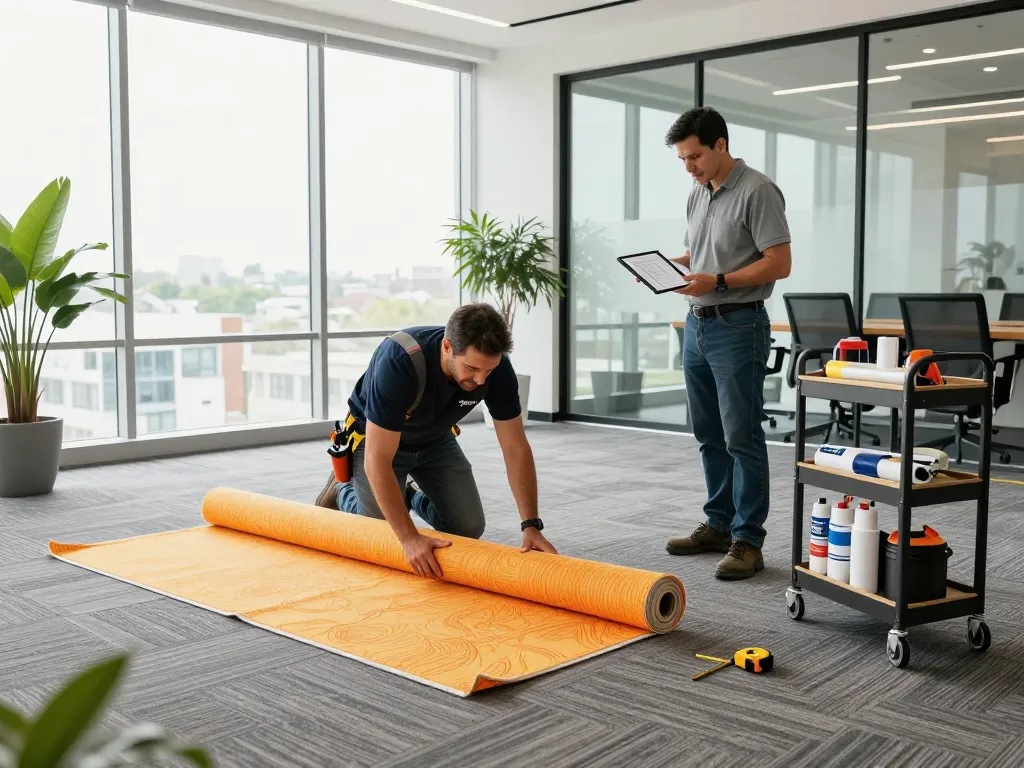
Commercial carpet installation involves the process of laying carpets in various business environments. This specialized installation differs from residential carpet applications due to the unique demands of commercial spaces. Commercial carpets are typically designed to withstand higher levels of foot traffic, spills, and general wear and tear. The installation process may involve various techniques, including glue-down, stretch-in, and modular carpet tiles, each suited for different environments and needs.
Benefits of Choosing Professional Installation
Opting for professional installation of commercial carpets presents various advantages:
- Expertise: Experienced installers ensure that the carpet is laid correctly, avoiding common pitfalls that could lead to premature wear.
- Time Efficiency: Professionals work quickly and effectively, minimizing downtime for your business.
- Warranty Protection: Many manufacturers require professional installation for warranties to be valid, safeguarding your investment.
- Customized Solutions: Professionals can provide tailored recommendations based on the specific needs and layout of your space.
Common Types of Commercial Carpets
There are several types of carpets commonly used in commercial settings:
- Broadloom Carpets: These are large rolls of carpet that are typically glued down or stretched across a subfloor.
- Carpet Tiles: Modular in design, carpet tiles allow for easy installation and replacement in specific areas without re-carpet the entire space.
- Plush Carpets: Known for their soft texture, plush carpets can provide a luxurious feel but may not be suitable for high-traffic areas.
- Berber Carpets: Durable and often looped, Berber carpets are excellent for high-traffic areas due to their resistance to stains and wear.
Cost Factors in Commercial Carpet Installation
Understanding the various cost factors involved in commercial carpet installation can help businesses budget appropriately and avoid unexpected expenses. Costs can vary widely based on materials, labor, and project specifics.
Breakdown of Costs: Materials and Labor
Generally, the cost of commercial carpeting can be divided into two primary components: materials and labor. High-quality commercial carpet materials typically range from $2.50 to $7.50 per square foot. Labor costs are usually charged per square foot as well, with average installation costs hovering around $1.50 to $3.00 per square foot. Thus, the total cost can range from $4.00 to $10.50 per square foot installed, depending on the chosen carpet type and local labor rates.
How Size and Layout Affect Pricing
The size of the area being carpeted heavily influences the overall installation cost. Larger spaces may benefit from economies of scale, resulting in lower costs per square foot. Conversely, complex layouts with multiple rooms, corners, or obstructions can lead to increased installation time and labor costs. It’s essential to consider both the dimensions and shape of the space when estimating total expenses.
Estimating Costs for Your Project
To accurately estimate costs for a commercial carpet installation project, businesses should measure the total square footage of the area to be carpeted. This measurement provides a basis for calculating material and labor costs. Additionally, consider allocating a contingency budget of 10-15% to accommodate unforeseen expenses such as subfloor repairs or unexpected design changes.
Choosing the Right Commercial Carpet
Selecting the appropriate carpet for commercial spaces requires careful consideration of various factors. The choice of carpet can greatly impact the aesthetics, functionality, and maintenance requirements of a business environment.
Factors to Consider for Commercial Spaces
- Traffic Levels: Assess the foot traffic in the area to determine the durability needed for the carpet.
- Style and Design: The carpet’s appearance should align with the company’s branding and overall interior design.
- Maintenance Requirements: Consider the ease of cleaning and upkeep, especially in high-traffic areas prone to stains.
Popular Styles and Textures for High-Traffic Areas
For high-traffic areas, it is advisable to choose carpets with textures and patterns that can hide dirt and wear. Loop pile carpets, for example, are both durable and effective in camouflaging stains. Additionally, carpets with patterned designs can add visual interest while also serving a practical purpose.
Eco-Friendly Options and Sustainability Practices
As environmental concerns grow, many businesses seek eco-friendly carpet options. Materials made from recycled fibers, such as PET (polyethylene terephthalate), are becoming increasingly popular. Additionally, choosing carpets certified by environmental organizations can further demonstrate a commitment to sustainability.
The Installation Process Explained
Understanding the installation process is crucial for ensuring a successful carpet overlay. Knowing what to expect can lead to a smoother experience on installation day.
Preparation Before Installation Day
Prior to installation, the area should be prepped by removing existing flooring, furniture, and obstacles. It is also important to ensure the subfloor is clean, dry, and free of defects. In some cases, moisture testing may be necessary to avoid future issues with mold or mildew.
Step-by-Step Installation Guide
The actual installation process may vary depending on the carpet type. However, general steps include:
- Measuring and cutting the carpet material to fit the designated area.
- Preparing the adhesive or underlayment, if applicable.
- Installing carpet tiles or laying the carpet rolls using the chosen method (glue-down, stretch-in, etc.).
- Trimming edges and ensuring proper seam alignment.
- Cleaning up the area and performing a final inspection.
Post-Installation Care and Maintenance Tips
Once your commercial carpet is installed, proper care will ensure its longevity. Regular vacuuming, immediate addressing of spills, and professional deep cleaning every 12-18 months can help maintain its appearance and durability.
Future Trends in Commercial Carpet Installation
The landscape of commercial carpet installation is continually evolving, driven by advancements in technology and changing design preferences. Staying informed about these trends can help businesses make strategic decisions.
Technological Innovations in Carpet Installation
Emerging technologies such as 3D printing and digital textile printing are beginning to make waves in the carpet industry, allowing for custom designs and quicker manufacturing times. Automated installations may also become more prevalent, reducing labor costs and installation time.
Design Trends for 2026 and Beyond
In the coming years, expect to see a rise in bold colors and patterns in commercial carpet design. Minimalistic and Scandinavian-inspired styles that promote open spaces and airy aesthetics are also gaining popularity. Additionally, biophilic design—integrating natural elements into built environments—will influence carpet styles, encouraging the use of organic shapes and earthy tones.
Predictions for the Commercial Flooring Market
The commercial flooring market is expected to grow as businesses increasingly recognize the importance of well-designed environments. Factors such as the rise of hybrid workspaces will drive demand for flexible flooring solutions, which can include carpets that can be easily replaced or refurbished as needs change.
What are the average costs for commercial carpet installation?
The average costs for commercial carpet installation can range from $4.00 to $10.50 per square foot, depending on materials, labor, and project specifics.
How long does the installation process typically take?
Installation time can vary based on the project size and complexity, but typically, a standard commercial space may take 1-3 days for installation.
What maintenance is required for commercial carpet?
Regular vacuuming, prompt stain removal, and periodic professional cleaning are essential for maintaining commercial carpets.
Are there eco-friendly carpet options available?
Yes, many manufacturers now offer carpets made from sustainable materials, such as recycled PET fibers.
How can I choose a reliable carpet installation service?
Research local contractors, read reviews, and request references to find a trustworthy carpet installation service that meets your needs.