 Ecommerce & Shopping
Choosing the Right lvp flooring near me for Your…
Understanding lvp Flooring Options
What is lvp Flooring?
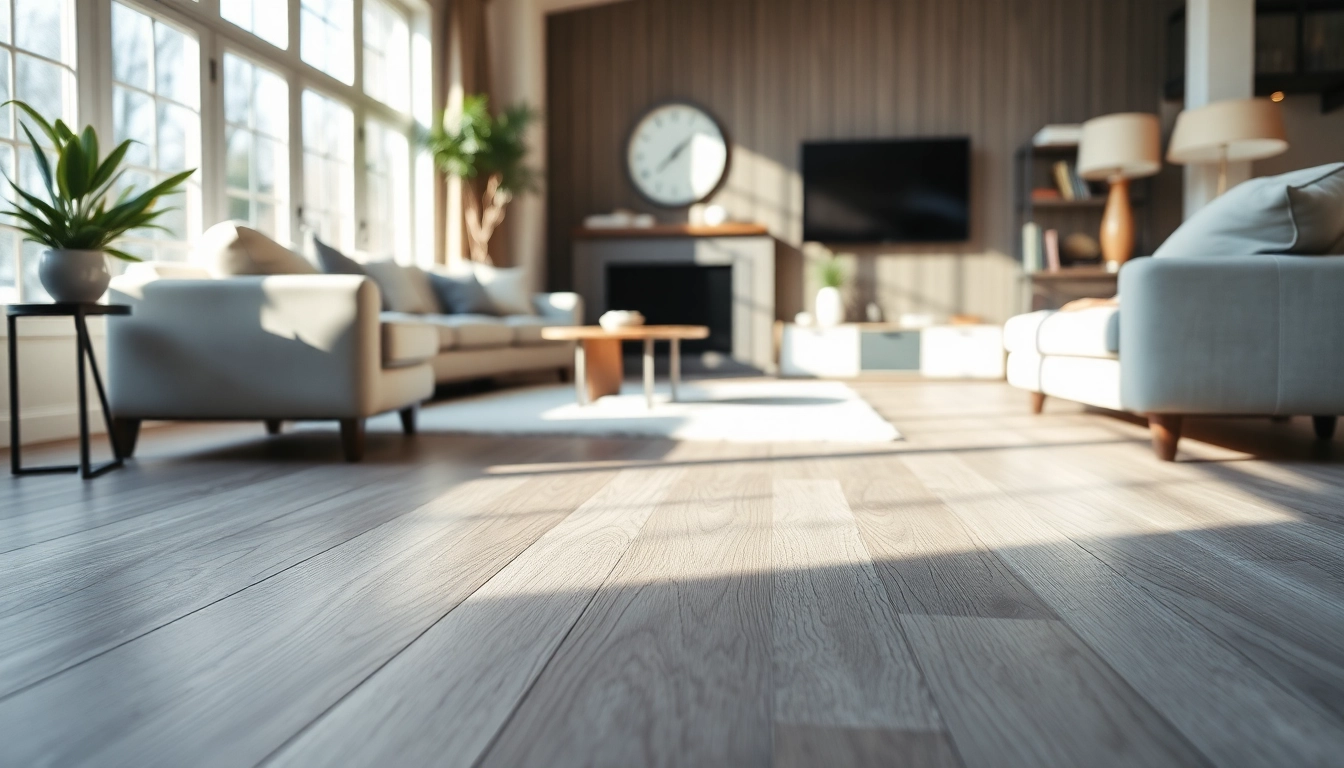
Luxury Vinyl Plank (LVP) flooring is a popular and versatile flooring option that mimics the look of natural wood or stone while providing the durability and resilience required for high-traffic areas. Made from a combination of polyvinyl chloride (PVC) and other synthetic materials, lvp flooring is designed to withstand moisture, scratches, and impacts, making it an ideal choice for any home. Its installation is user-friendly, often featuring a click-lock design that allows for easy placement over existing flooring.
Different Types of lvp Flooring
When exploring options for lvp flooring near me, it’s essential to familiarize yourself with the various types available. There are three primary categories of lvp flooring:
- Rigid Core LVP: This type features a rigid core that adds stability and durability. It’s well-suited for environments where moisture is a concern, such as bathrooms and kitchens.
- Flexible LVP: More flexible than its rigid counterpart, this type is easier to install and can be placed over uneven surfaces. It’s ideal for residential use, particularly in living rooms and bedrooms.
- Stone Plastic Composite (SPC): SPC combines limestone and PVC, giving it a sturdier construction. It offers exceptional water resistance, making it a popular choice for commercial settings.
Benefits of Choosing lvp Flooring
Choosing lvp flooring comes with numerous advantages:
- Durability: Built to resist scratches, dents, and stains, lvp flooring is ideal for households with pets or children.
- Water Resistance: Its moisture-resistant properties make it suitable for kitchens, bathrooms, and basements.
- Cost-Effectiveness: Typically less expensive than hardwood or tile, lvp offers similar aesthetics at a fraction of the cost.
- Easy Installation: Many lvp products come with a DIY-friendly installation process, allowing homeowners to save on installation fees.
- Low Maintenance: A simple regular cleaning routine suffices to keep lvp flooring looking new.
How to Select lvp Flooring near me
Factors to Consider When Choosing
Selecting the right lvp flooring requires careful consideration of several factors that affect both aesthetic and functional aspects:
- Room Purpose: Different rooms have different needs. For example, choose a durable and water-resistant option for bathrooms.
- Thickness: LVP typically ranges from 4 to 8 millimeters in thickness. Thicker planks are generally more durable and provide better sound insulation.
- Style and Color: Assess your existing decor and colors. LVP comes in a variety of styles, from rustic wood finishes to modern stone looks.
- Texture: Decide on the plank texture—ranging from embossed to smooth—and how it aligns with your design goals.
Comparing Cost and Quality
Understanding the balance between cost and quality is essential when searching for lvp flooring. Prices can vary widely, so it’s vital to assess what fits your budget while ensuring you’re not compromising on quality. Many premium brands provide warranties ranging from 15 to 30 years, indicating their confidence in product durability. Always check if additional costs like underlayment or installation fees are included in the price.
Finding Local Suppliers
To locate quality lvp flooring near me, start with local hardware stores, flooring outlets, and home improvement stores. Online directories and reviews can also help you find reputable suppliers. Consider visiting showrooms to see and feel samples in person, enabling better decision-making regarding colors and textures.
Installation of lvp Flooring
Preparation Before Installation
Proper preparation is crucial for a successful lvp flooring installation. Here’s a checklist:
- Acclimation: Allow the planks to acclimate in the intended room for at least 48 hours, reducing the chances of expansion or contraction.
- Prepare the Subfloor: Ensure the subfloor is clean, dry, and level. Use appropriate floor leveling compounds if necessary.
- Gather Tools: Common tools include a utility knife, tape measure, straight edge, spacers, and a tapping block.
Step-by-Step Installation Process
The installation process can be completed in a few manageable steps:
- Begin at one corner of the room, placing spacers along the wall to maintain expansion gaps.
- Click the planks together using the tongue-and-groove design, ensuring they’re tightly fitted.
- Continue laying the rows, staggering the seams for a more natural look.
- Cut the final planks to fit using a utility knife around doorways or vents.
- Remove spacers and reinstall baseboards or trim to cover edges.
DIY vs. Professional Installation
Deciding between DIY and professional installation depends on several factors:
- Skill Level: If you’re comfortable with basic tools and home improvement projects, DIY installation might be suitable.
- Time: Professional installers can complete the job quicker, which is beneficial if you have tight deadlines.
- Complexity: Complex layouts or cutting may require professional expertise for optimal results.
Maintaining Your lvp Flooring
Cleaning and Care Tips
Regular maintenance is vital to extend the lifespan of your lvp flooring. Here are some care tips:
- Daily Sweeping: Use a broom or dry mop to remove dust and debris.
- Patching Cracks: Inspect periodically for cracks or lifted planks and address them promptly.
- Mopping: Use a damp mop with a gentle cleaner specifically formulated for vinyl flooring.
Preventing Damage to lvp Flooring
To maintain the integrity of your flooring, implementing preventative measures is essential:
- Area Rugs: Place rugs in high-traffic areas to minimize wear.
- Furniture Pads: Use pads under furniture legs to avoid scratches and gouges.
- Moisture Control: Address spills immediately to prevent water damage.
Long-Term Maintenance Strategies
Long-term maintenance involves planning and periodic checks:
- Annual Cleaning: Conduct a deeper clean every year to remove any buildup.
- Professional Assessment: Consider having a professional inspect the flooring and address any emerging issues.
- Resurfacing: Over time, consider resurfacing or replacing planks if extensive wear occurs.
FAQs about lvp Flooring near me
What are the advantages of lvp flooring?
lvp flooring is durable, water-resistant, and mimics the look of natural wood or stone, making it a great choice for any home.
How should I clean lvp flooring?
Use a damp mop and mild cleaner specific for vinyl to keep your lvp flooring clean and looking new.
Can I install lvp flooring myself?
Yes, lvp flooring can often be installed as a DIY project, but professional installation ensures optimal results.
How long does lvp flooring last?
With proper care, lvp flooring can last 20 years or more, making it a long-lasting flooring option.
Is lvp flooring eco-friendly?
Many lvp products are made from recycled materials and are free from harmful chemicals, making them a sustainable choice.