 Home and Garden
Expert Techniques for Spray Foam Removal East Sussex: Your…
Understanding Spray Foam Removal East Sussex
Spray foam insulation is a popular choice for homeowners due to its excellent thermal efficiency and versatility. However, there can come a time when removal becomes necessary, whether it’s due to improper installation, damage, or changes in home renovation plans. In East Sussex, the need for spray foam removal East Sussex has become increasingly prevalent, prompting a closer examination of the removal process and its implications.
Importance of Safe Removal
The removal of spray foam insulation is not simply a matter of peeling it off the walls. Proper safety measures are crucial for several reasons. First, spray foam can, over time, degrade and release harmful particles or gases that may pose health risks. Inadequate removal could leave behind residues that continue to affect air quality.
Furthermore, structural damage can occur if the foam is removed improperly; this might necessitate extensive repairs and additional costs. Engaging professionals who are knowledgeable about safe removal techniques ensures that both health hazards and property damage are minimized.
Common Techniques Used
Several methods are employed in the removal of spray foam insulation in East Sussex, each with its advantages:
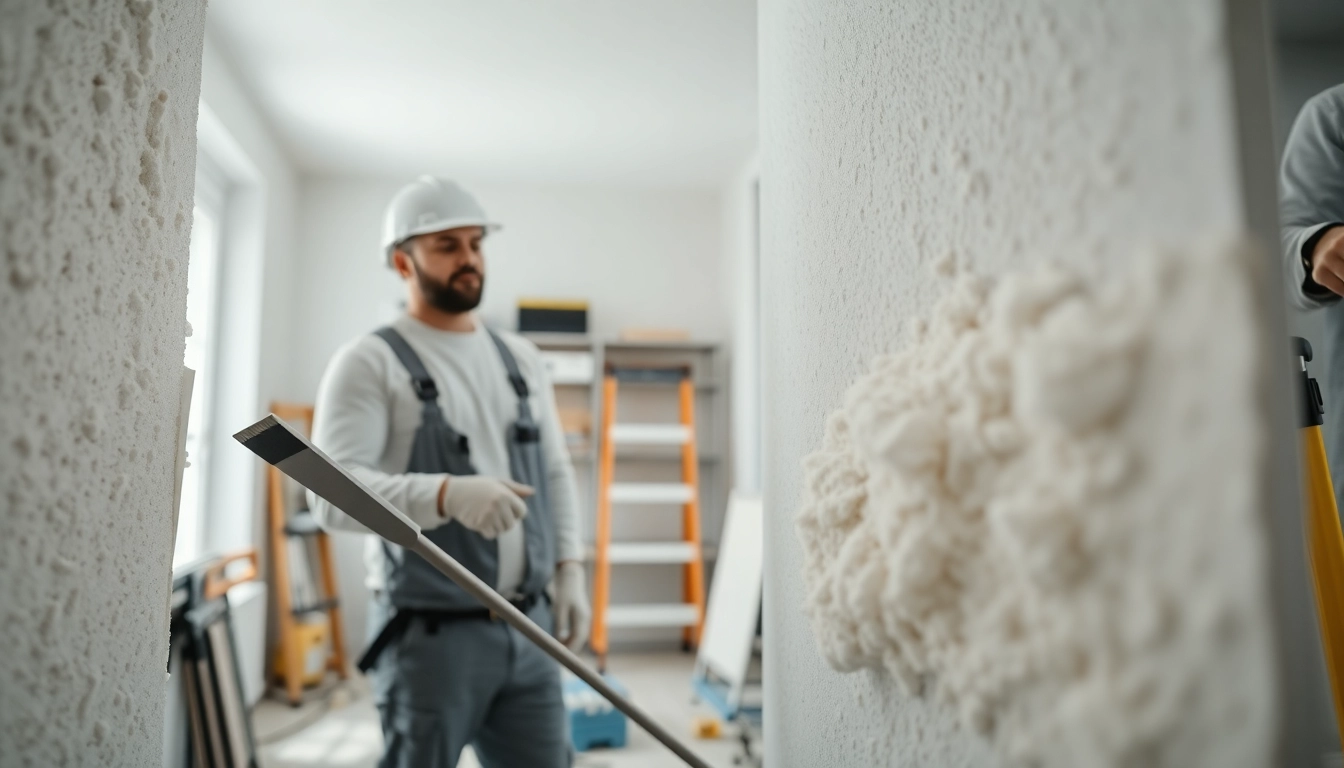
- Mechanical Removal: This technique involves using specialized equipment such as grinders or saws to detach foam from surfaces. It’s efficient for larger areas but requires skilled operators to avoid structural damage.
- Chemical Solvents: Chemicals can break down the foam for easier removal. This method must be handled with caution to prevent exposure to harmful fumes.
- Heat Application: Heat guns may help soften the foam, making it easier to scrape off. However, this method requires vigilance to avoid fire hazards.
Potential Hazards to Avoid
When considering spray foam removal, various hazards must be acknowledged:
- Health Risks: The inhalation of spray foam particles can lead to respiratory issues. Always wear appropriate PPE, including masks and gloves, to safeguard against exposure.
- Structural Damage: Improper removal techniques can harm the substrate, leading to costly repairs. Through careful planning and execution, these risks can often be avoided.
- Environmental Impact: Failures in disposing of foam materials can have repercussions beyond immediate health risks, potentially affecting local ecosystems.
Preparing for Spray Foam Removal East Sussex
Tools and Equipment Needed
Before embarking on a spray foam removal project, it’s essential to secure the right tools and materials:
- Safety Gear: Include goggles, gloves, and masks to protect against hazardous materials.
- Mechanical Tools: Saws, scrapers, or grinders for mechanical removal.
- Chemical Solvents: If opting for chemical removal, obtain suitable products recommended for spray foam dissolution.
- Disposal Containers: Proper containers are necessary to store removed foam safely prior to disposal.
Essential Safety Precautions
Regardless of the removal method chosen, safety should always be prioritized:
- Ensure proper ventilation in the workspace, especially when using chemicals.
- Keep flammable materials away from heat sources when using heat guns.
- Consult material safety data sheets (MSDS) for each product being used to understand potential risks.
Initial Assessment and Planning
Conducting a thorough assessment of the area before removal begins is vital. Inspect the condition of the foam, identifying the extent of any damage or degradation. Planning should encompass:
- Mapping out removal areas to be tackled in stages to avoid overwhelming the workspace.
- Deciding on the method based on the foam’s condition, size of the area, and available materials.
- Calculating the time required and potential costs involved in the removal process.
Effective Methods of Spray Foam Removal East Sussex
Mechanical vs. Chemical Removal
The choice between mechanical and chemical removal methods often hinges on the specific scenario.
Mechanical Removal: Best suited for large, accessible areas. This method allows for immediate control over the amount being removed but comes with noise and dust generation challenges that need to be managed.
Chemical Removal: Opted for intricate spaces or delicate materials. While it tends to be less labor-intensive, users must be aware of the potential for harmful chemical exposure and follow precise guidelines.
Comparative Cost Analysis
Cost is a deciding factor in any removal decision. A comparative analysis can help guide your budget planning:
- Mechanical Removal Costs: Typically costs more upfront due to labor and equipment but can be efficient for large jobs.
- Chemical Removal Costs: Often seen as lower at face value but may incur additional costs in terms of safety and remediation if mishandled.
Understanding overall costs, potential repairs, and long-term savings is crucial in choosing a method that suits your budget.
Choosing the Right Method for Your Needs
Selecting the appropriate removal method should align with your unique circumstances and preferences. Consider:
- The extent of insulation removal required.
- The available budget, time frame, and personal capabilities.
- Consulting experts for advice on which method suits the specific structure and material involved.
Post-Removal Considerations in East Sussex
Cleaning and Disposal Requirements
After the removal phase is complete, a thorough cleanup is obligatory to eliminate any remaining contamination. This involves:
- Properly collecting remnant foam in suitable disposal containers.
- Ensuring workplace safety by masking off areas if further renovations will take place.
- Adhering to local regulations surrounding waste disposal, as some materials may be considered hazardous.
Potential Repairs for Your Home
The removal process may leave you with additional repair needs:
- Depending on the extent of adhesive use, drywall might require patching or replacement.
- Identifying and rectifying any moisture issues that may have developed under the foam is pertinent to long-term home health.
- Consider updating insulation types post-removal to improve energy efficiency.
Environmental Impact and Regulations
Understanding the environmental implications of spray foam and its removal process is important. Adhere to guidelines regarding:
- Safe disposal practices to minimize landfill contribution.
- Using eco-friendly methods or materials for any replacements.
- Being informed about any local regulations or initiatives promoting sustainable building practices.
Frequently Asked Questions about Spray Foam Removal East Sussex
What is Spray Foam Removal?
Spray foam removal involves the process of safely extracting spray foam insulation from surfaces in buildings, often due to damage or renovation needs.
How Long Does the Process Take?
The duration of spray foam removal varies significantly based on area size and removal method, typically ranging from a few hours to multiple days for larger projects.
Can I Do It Myself?
While DIY is possible, it’s advised to engage professionals due to health risks, potential damage, and required equipment for effective removal.
What are the Costs Involved?
Costs typically range from moderate to high based on the method employed, scale of the job, and any necessary follow-up repairs or disposal needs.
Are There Any Long-Term Effects?
Improper removal can lead to lingering air quality issues or structural damage, requiring careful attention to safety measures during the process.