 Home and Garden
Understanding the Causes and Solutions of Spray Foam Survey…
Introduction to Spray Foam Survey Fail
In the world of construction and building insulation, one of the key elements to ensure efficiency and performance is the effective application of spray foam. However, any shortcomings during the installation process can lead to a spray foam survey fail. Understanding this concept is crucial for homeowners and contractors alike, as it highlights the necessity of proper techniques and well-executed surveys.
What is a Spray Foam Survey Fail?
A spray foam survey fail occurs when an inspection uncovers significant deficiencies in the installation or application of spray foam insulation. This could range from improper curing to inadequate adhesion to the substrate. The implications are often serious, including reduced energy efficiency, moisture issues, and ultimately costly repairs. Addressing these concerns is paramount to maintaining the integrity of a property.
Common Causes of Spray Foam Survey Fail
There are several common causes that lead to a spray foam survey fail, including:
- Poor Surface Preparation: If the substrate is not adequately cleaned or primed before application, it can lead to adhesion failures.
- Incorrect Mixing Ratios: Spray foam kits come with specific components that must be mixed correctly. Deviations in ratios can hinder the foam’s performance.
- Environmental Conditions: Excessive humidity, low temperatures, or improper ventilation during installation can affect foam curing and performance.
- Used Expired Materials: Using spray foam materials beyond their intended shelf life can lead to subpar performance.
- Inadequate Training: Technicians lacking the necessary training or experience may not apply the product correctly, increasing the likelihood of failure.
The Importance of Professional Surveys
Conducting a professional survey is essential to identify any installation mishaps early on. A comprehensive survey assesses the quality of the application and ensures compliance with local building regulations. Professional inspectors have the experience to detect subtleties that an average homeowner may overlook, thus safeguarding against potential issues down the line.
Identifying Issues in Spray Foam Installation
Signs of a Spray Foam Survey Fail
Recognizing the red flags of a spray foam survey fail can save significant time and money. Some signs to watch for include:
- Visible Gaps or Cracks: Any noticeable openings in the sprayed foam indicate improper application or curing.
- Odors: Strong chemical smells suggest that the foam did not cure properly or that off-gassing is occurring.
- Loss of Insulation Integrity: Areas of the home feeling less insulated or colder can indicate a failed application.
- Moisture Accumulation: The presence of moisture or mold on or under the spray foam is a significant concern that can point to installation issues.
- Discoloration: Changes in color of the spray foam can indicate chemical breakdown or environmental damage.
How to Conduct a Proper Inspection
To carry out a thorough inspection of spray foam installation, follow these steps:
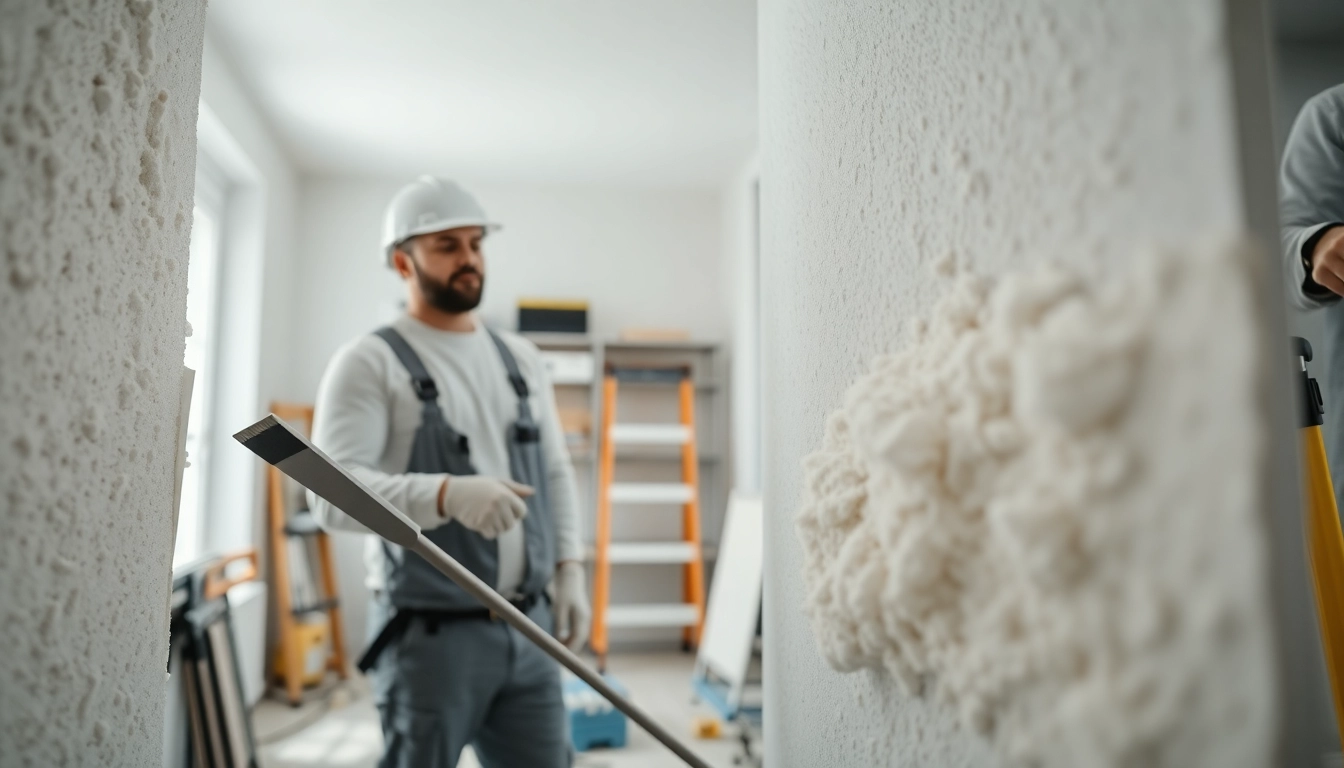
- Visual Assessment: Start with a visual inspection, checking for any obvious defects such as gaps, cracks, or discoloration.
- Check for Odors: Smell the insulation for any unusual chemical scents indicating improper curing.
- Moisture Measurement: Use a moisture meter to assess areas akin to potential moisture intrusion.
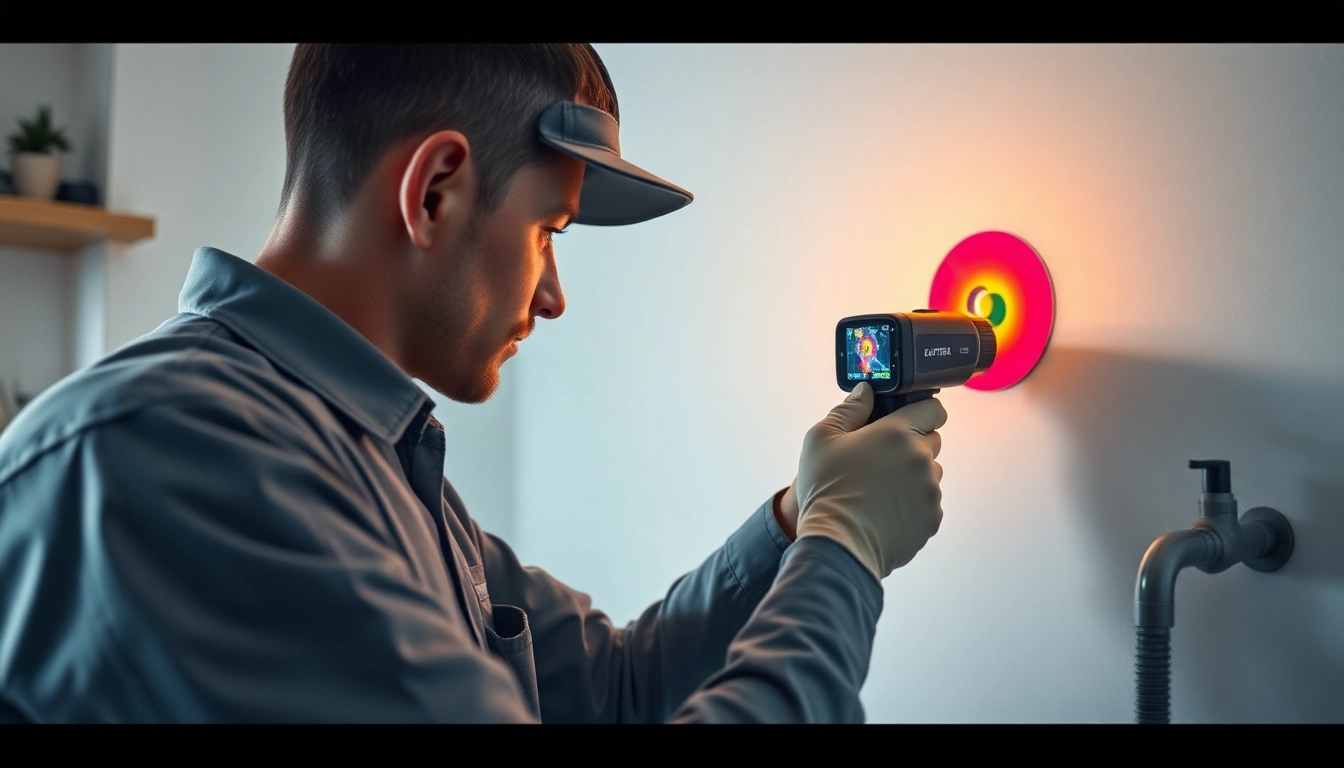
- Thermal Imaging: Employ thermographic inspections to identify areas lacking proper insulation.
- Document Findings: Make note of all observations, including photographs and measurements for analysis.
Case Studies of Survey Failures
Real-world examples illustrate the critical nature of proper spray foam installation:
- Residential Home in the Midwest: An improperly mixed spray foam kit led to significant expansion, causing the foam to lift away from the walls. This resulted in higher energy bills and a costly remediation process.
- Commercial Building Insulation: A commercial property faced hazardous mold growth when moisture accumulation occurred within improperly applied foam. The building underwent substantial renovation to remove and replace failed insulation.
Preventing Spray Foam Survey Fail: Best Practices
Key Considerations Before Installation
Proper preparation is vital to prevent a spray foam survey fail. Important considerations include:
- Site Assessment: Conduct a detailed assessment of the area to be insulated, understanding environmental factors and building conditions.
- Material Quality: Ensure all materials, including the foam and application tools, are current and suitable for the intended application.
- Compliance Check: Verify adherence to local building codes and regulations before beginning installation.
- Weather Monitoring: Schedule installation during favorable weather conditions to ensure optimal results.
Choosing the Right Materials and Techniques
Investing in high-quality materials and employing the right techniques are pivotal for success:
- High-Performance Foam: Select a foam product designed for your specific climate and application.
- Application Techniques: Measure and mix components carefully, following manufacturer guidelines precisely.
- Training and Certification: Ensure that installers are trained and certified in spray foam techniques to avoid common pitfalls.
Regular Maintenance and Monitoring
Regular maintenance can prevent potential survey fails. Key practices include:
- Periodic Inspections: Schedule annual inspections to maintain awareness of the foam’s condition.
- Mold and Moisture Checks: Regularly check for signs of moisture intrusion or mold growth.
- Documentation: Keep records of all inspections, repairs, and environmental changes for accurate tracking.
Addressing and Resolving Survey Fails
Steps to Take if a Survey Fails
Upon discovering a spray foam survey fail, taking prompt action is essential:
- Document Findings: Record every deficiency noted during the survey.
- Notify Installers: Reach out to the original installation team to discuss findings and seek their involvement in remediation.
- Seek Expert Analysis: Engage a second opinion from external professionals if needed.
- Implement Repairs: Schedule necessary repairs, including reapplication of foam or additional treatments.
Working with Contractors After a Fail
If a survey fail occurs, collaborating with contractors can facilitate resolution:
- Open Communication: Maintain transparent dialogue about findings and necessary corrective actions.
- Review Contracts: Ensure all work is covered under warranty agreements and that the contractor is accountable for rectifying issues.
- Timeline for Repairs: Set clear timelines for when repairs need to be completed to minimize discomfort or unresolved issues.
Long-term Solutions and Repairs
For lasting solutions following a survey fail, consider:
- Full Remediation: In severe cases, full remediation of the insulation may be necessary.
- Continued Monitoring: After repairs, continue monitoring insulation performance to ensure its function.
- Invest in Better Techniques: Learn from failures and invest in better installation techniques to prevent future issues.
FAQs on Spray Foam Survey Fail
What is a spray foam survey fail?
A spray foam survey fail signifies that a spray foam insulation installation has significant deficiencies, leading to inefficiency and potential damage.
How can I identify if my spray foam is failing?
Signs include visible gaps, odors, moisture accumulation, and loss of insulation integrity, all indicating installation issues.
What should I do if my spray foam survey fails?
Document findings, notify the installers, consider external expertise, and implement repair solutions promptly.
Can I prevent spray foam survey fails?
Yes, investing in quality material, training installers, and conducting thorough pre-installation assessments can minimize risks significantly.
Why is a professional survey necessary?
Professional surveys are essential in identifying installation flaws early and ensuring compliance with building regulations, thus saving future costs.