 Home and Garden
Stylish and Functional Wet Room Shower Solutions for Modern…
Understanding Wet Room Shower Concepts
What is a Wet Room Shower?
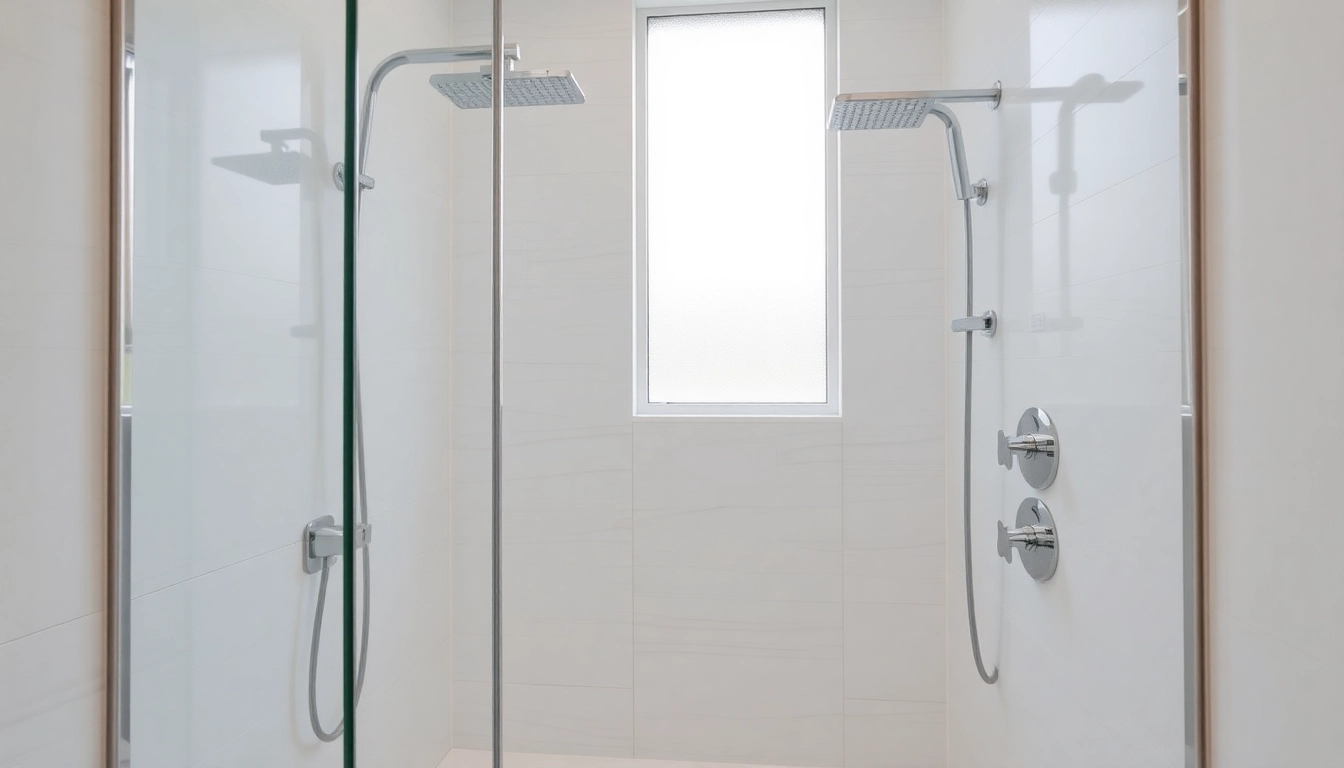
A wet room shower is a modern bathroom design that eliminates the need for a traditional shower enclosure. Instead of being confined by a shower cubicle, the shower area seamlessly integrates with the rest of the bathroom space, offering an open layout that maximizes the room’s potential. Characterized by a single-level floor that often slopes toward a drain, wet rooms provide not only aesthetic appeal but also practical functionality as they enable easy access and movement within the space.
Benefits of Installing a Wet Room Shower
One of the primary advantages of a wet room shower is its ability to enhance a bathroom’s overall functionality and visual appeal. The following points detail the benefits more comprehensively:
- Space Efficiency: Ideal for small bathrooms, wet room showers create an illusion of space, making the area feel larger and more inviting.
- Accessibility: With a level entry, wet rooms are more accessible for individuals with mobility challenges, allowing for a barrier-free experience.
- Modern Aesthetic: The sleek design of wet room showers aligns perfectly with contemporary bathroom styles, adding a touch of luxury.
- Enhanced Water Drainage: The sloped flooring system effectively channels water to the drain, reducing the risk of puddles and promoting a drier environment.
- Customizable Designs: Wet room showers are highly customizable, with various materials and finishes available, allowing homeowners to reflect their personal style.
Key Features of a Wet Room Shower
When considering a wet room shower, it’s important to understand the key features that influence both functionality and aesthetics. These include:
- Open Plan Design: This feature emphasizes flow and openness, blending the shower with the rest of the bathroom.
- Quality Waterproofing: Essential for preventing water damage, this involves comprehensive sealing of walls and floors during installation.
- Stylish Showerhead Options: Rainfall showers, handheld sprayers, and wall-mounted fixtures can all enhance the shower experience.
- Heating Systems: Integrated underfloor heating can boost comfort, especially in cooler climates.
- Diverse Material Choices: From tiles to natural stone, numerous surface materials can enhance both aesthetic beauty and durability.
Designing Your Ideal Wet Room Shower
Choosing the Right Layout
The layout of your wet room shower plays a critical role in its usability and style. Considerations for an optimal layout include:
- Space Assessment: Measure your bathroom space accurately to understand how best to position the wet room shower with respect to other fixtures, like sinks and toilets.
- Shower Positioning: Central positioning can create a focal point, while corner placements may maximize floor space.
- Flow and Function: Ensure there’s a natural flow between the wet room and other areas of the bathroom to enhance usability.
Materials and Finishes
Choosing the right materials can significantly impact the durability and aesthetic of a wet room shower. Options include:
- Tiles: Ceramic, porcelain, and natural stone tiles are popular due to their water-resistance and variety of styles.
- Glass Screens: They provide a physical barrier without obstructing light or visual space, enhancing the open feel.
- Non-Slip Surfaces: Safety is paramount; materials with anti-slip finishes are advisable to prevent accidents.
Color Schemes and Aesthetic Options
The color scheme of your wet room shower can significantly influence the mood and decor of your bathroom. Consider the following:
- Neutral Tones: Whites, grays, and beiges can create a calm, serene environment.
- Bold Accents: Incorporate bright tiles or unique color splashes to express personality and style.
- Coherent Themes: Ensure your color scheme aligns with the overall theme of your bathroom, whether modern, rustic, or contemporary.
Installation Considerations for Wet Room Showers
Essential Plumbing and Drainage Setup
Installing a wet room shower requires meticulous planning of plumbing and drainage. Key considerations include:
- Drain Location: Position the drain centrally to facilitate optimal water movement away from the shower space.
- Pipe Slope: Pipes must be installed with a slight slope to promote effective drainage.
- Water Supply Lines: Ensure that hot and cold water supply lines are sufficiently accessible for maintenance.
Waterproofing Techniques
Comprehensive waterproofing is a non-negotiable step in wet room installation. Recommended techniques involve:
- Sealing Barriers: Use specialized membranes on walls and floors to create a reliable waterproof barrier.
- Test Before Tiling: Conduct a water test before applying tiles to ensure the system is watertight.
- Sealant Application: Use high-quality silicone sealants around fixtures and transitions to prevent water seepage.
Common Installation Mistakes to Avoid
Awareness of potential pitfalls can save time and money during installation. Common mistakes to avoid include:
- Insufficient Drainage: Misplaced drains can lead to water pooling and damage.
- Poor Waterproofing: Skipping waterproofing measures can result in costly repairs and mold growth.
- Neglecting Ventilation: Proper ventilation controls humidity, reducing the risk of mold.
Maintaining Your Wet Room Shower
Cleaning Tips for Glass Screens
Maintaining the clarity and shine of glass screens is vital for aesthetic appeal. Consider these cleaning tips:
- Regular Wiping: Utilize a squeegee after each use to prevent water spots and soap scum build-up.
- Natural Cleaners: Use vinegar and water solution as a natural cleaner for glass without harsh chemicals.
- Microfiber Cloths: These are effective for cleaning without scratching the glass’s surface.
Preventing Mold and Mildew
Mold and mildew can thrive in wet environments; thus, preventive measures are essential. Here’s how to safeguard against them:
- Humidity Control: Use an exhaust fan or dehumidifier to control moisture levels in the bathroom.
- Regular Inspections: Conduct frequent checks for any signs of dampness or mold, addressing issues immediately.
- Sealant Maintenance: Check and replace worn-out caulk and sealants around edges to prevent water infiltration.
Routine Maintenance for Longevity
Consistent maintenance is key to maximizing the lifespan of your wet room shower. Consider the following:
- Annual Professional Inspection: Have a professional inspect plumbing and waterproofing systems yearly to identify potential problems.
- Prompt Repairs: Tackle any leaks or wear immediately to prevent more extensive damages.
- Equipment Upkeep: Regularly check shower heads, faucets, and temperature controls for functionality and gently clean to avoid calcification.
FAQs About Wet Room Showers
1. Are wet room showers suitable for small bathrooms?
Yes, wet room showers can make small spaces feel larger due to their open design, enhancing the overall aesthetics.
2. Do I need to waterproof my wet room?
Yes, waterproofing is essential to prevent water damage and mold, which can compromise your bathroom’s structural integrity.
3. Can I install a wet room without a bathroom remodel?
While possible, a remodel allows better plumbing adjustments and design synergy, resulting in an ideal setup for a wet room.
4. How do I maintain my wet room shower?
Regular cleaning, moisture control, and prompt attention to maintenance issues can help keep your wet room shower in optimal condition.
5. What are the costs associated with wet room showers?
Costs can vary significantly based on size, materials, and installation complexity, generally placing wet rooms in the mid to high range for renovations.